





































































































NAGPANCHAMI: A UNIQUE CONFLUENCE OF FEAR, DEVOTION AND SCIENCE RELATGED TO SNAKES
India is a country where every form of nature is worshipped. Trees, rivers, mountains and even animals are an integral part of our cultural and religious beliefs. Nagpanchami is a living example of these beliefs, which is celebrated on the Panchami Tithi of Shukla Paksha of Shravan month. This festival is not just a day to worship snakes, but also a unique opportunity to understand our fear, devotion and importance of environmental balance associated with them.


NAGPANCHAMI: A UNIQUE CONFLUENCE OF FEAR, DEVOTION AND SCIENCE RELATGED TO SNAKES
29-JULY-ENG 3


RAJIV NAYAN AGRAWAL
ARA----------------------India is a country where every form of nature is worshipped. Trees, rivers, mountains and even animals are an integral part of our cultural and religious beliefs. Nagpanchami is a living example of these beliefs, which is celebrated on the Panchami Tithi of Shukla Paksha of Shravan month. This festival is not just a day to worship snakes, but also a unique opportunity to understand our fear, devotion and importance of environmental balance associated with them.


For centuries, humans have had a dual feeling about snakes. On the one hand, there is fear of them due to their poisonous nature, on the other hand, there is respect and reverence for them due to their mysterious nature and association with the cycle of life and death. Nagpanchami is a symbol of this devotion, where snakes are worshipped as deities. It is believed that worshipping the snake god removes the fear of snakebite and brings happiness and prosperity in the family.
Snakes have a special place in Indian mythology. Several serpent deities such as Sheshnag, on whom Lord Vishnu rests, Vasuki, who worked as the churner in the Samudra Manthan, and Takshaka, are prominently depicted in various stories. Serpents are also considered to be the lords of the netherworld, who play an important role in maintaining the balance of the earth. These beliefs show that since ancient times, our ancestors understood the importance of serpents in the ecosystem.
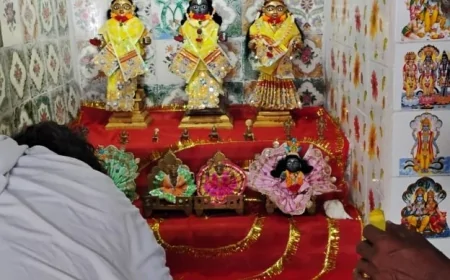
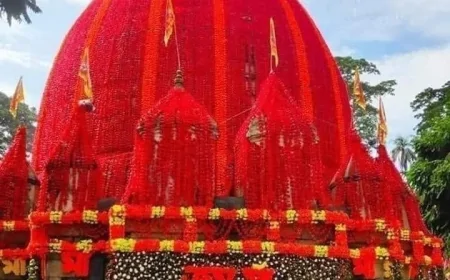
On the day of Nag Panchami, devotees throng the snake temples. Idols or pictures of serpents are also worshipped in homes. Materials such as milk, lava, flowers and sandalwood are offered. In many places, people make serpents from clay and worship them. On this day, the land is not excavated, so that no snake is inadvertently harmed. This tradition shows that on this day we show special sensitivity towards nature and its creatures.
Modern science also believes that snakes are extremely important for our environment. They play the role of both predator and prey in the ecosystem, thereby maintaining biodiversity. Snakes protect crops by eating rats and other pests and control the spread of diseases. Without snakes, the rat population will become uncontrolled, causing huge losses to agriculture and also increasing the risk of diseases. The festival of Nag Panchami reminds us that even though we fear them, they are an essential part of our lives and need to be protected.
The importance of Nag Panchami increases even more in today's time. The natural habitats of snakes are shrinking due to urbanization and deforestation. In such a situation, this festival gives us an opportunity to spread awareness about snakes and inspire them to conserve them. It is important to understand that snakes attack only when they feel threatened. We should focus on ways to safely release snakes into their natural habitat instead of killing them.
Naag Panchami is not just a religious festival, but it symbolizes our respect for nature, victory over fear and the importance of environmental balance. It teaches us how we can live in harmony and respect with every living being in our surroundings.
What's Your Reaction?
 Like
0
Like
0
 Dislike
0
Dislike
0
 Love
0
Love
0
 Funny
0
Funny
0
 Angry
0
Angry
0
 Sad
0
Sad
0
 Wow
0
Wow
0