








































































































WATER IN PAKISTAN’S INDUS DELTA DECREASED BY 80%, LAND BECAME SALTY DUE TO SEA WATER FILLING
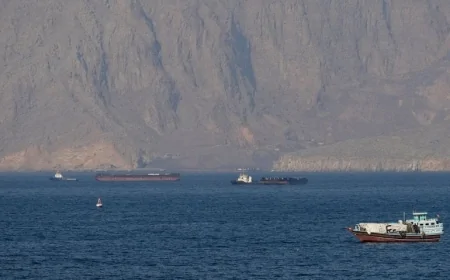
-The Indus Delta is now getting filled with salty water from the Arabian Sea, which has created a drinking water crisis here. Life is on the verge of ending in the delta of Pakistan's largest river Indus. The water of Indus has been stopped in the canals and dams of the upper regions. Due to this, water has almost stopped reaching the Sindh province and the delta region. Since the 1950s, there has been an 80% decline in the water flowing in the Indus Delta.

WATER IN PAKISTAN’S INDUS DELTA DECREASED BY 80%, LAND BECAME SALTY DUE TO SEA WATER FILLING
7-AUG-ENG 3


RAJIV NAYAN AGRAWAL
DELHI-----------------------The Indus Delta is now getting filled with salty water from the Arabian Sea, which has created a drinking water crisis here. Life is on the verge of ending in the delta of Pakistan's largest river Indus. The water of Indus has been stopped in the canals and dams of the upper regions. Due to this, water has almost stopped reaching the Sindh province and the delta region. Since the 1950s, there has been an 80% decline in the water flowing in the Indus Delta.


On the other hand, salty water from the Arabian Sea has entered it, which has made the land here salty. Farming has stopped. The fish population has decreased and the lives of shrimp and crabs are in danger.
The delta once had 17 small rivers, marshy land, mangrove forests and muddy fields full of fish. Today the salty soil and poisonous water there is no longer suitable for living. According to the Sindh government, 80% of the water here is not fit for drinking. The salty water of the sea has now penetrated deep into the ground. According to a report Since the 1960s, 86% of the mangroves have been destroyed, which has led to an 80% decline in the fish population According to government figures, in the last two decades, more than 1.2 million people have left the delta and migrated to cities like Karachi Pakistan Fisherfolk Forum says that thousands of fishermen families have been displaced from coastal areas
54-year-old Habibullah Khatti has left his village. Before leaving the village, he paid his last respects at his mother's grave. He says Saline water has spread all around. Now only four houses are left in the village. In the Kharo Chan area, which once had 40 villages, most of the villages have now been swallowed by the sea. In 1981, the population of this area was 26 thousand, which reduced to just 11 thousand in 2023. Habibullah Khatti prayed at his mother's grave before leaving the village. Protest against stopping the water of Indus. An alliance called 'Save the Indus River Movement' had started protesting in Sindh province since February. It includes environmental activists, local communities, NGOs and policy makers. The activists say that these canals will stop the water of the Indus River, which will create a crisis for agriculture in Sindh and especially the Indus Delta. Maryam Gopang, an activist of the women's organization Sindhiyani Tehreek, says We are nothing without our Indus River. If it is not there, we will die. Indus River water is being sent to 6 canals. 6 canals are being built in 4 provinces by drawing water from Pakistan's largest river Indus. This project is being run under the Green Pakistan Initiative. Its cost is about 28 thousand crore Pakistani rupees. The water obtained from these canals will be used to make desert lands cultivable. This water will be taken from the Indus River or its barrages. The largest canal in this will be built in the Cholistan desert of Punjab.
What's Your Reaction?
 Like
0
Like
0
 Dislike
0
Dislike
0
 Love
0
Love
0
 Funny
0
Funny
0
 Angry
0
Angry
0
 Sad
0
Sad
0
 Wow
0
Wow
0