








































































THE GLAMOUR OF VULGAR WORDS AND THE IRONY OF VIRTUAL SOCIETY
Now, not just photos and videos, but words too are being sold on social media. Vulgarity and abusive language have surpassed the limits of expression. The hunger for likes, comments, and shares has transformed language into a commodity. The same segment of society that talks about values is the one applauding these posts. This trend is not just a decline of language, but also a decline of thinking. Language is the first hallmark of civilization—when language declines, society also declines.

THE GLAMOUR OF VULGAR WORDS AND THE IRONY OF VIRTUAL SOCIETY
30-OCT-ENG 21


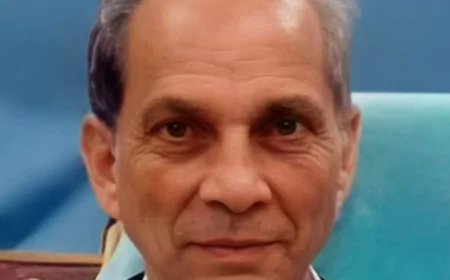
RAJIV NAYAN AGRAWAL
ARA-------------------------Now, not just photos and videos, but words too are being sold on social media. Vulgarity and abusive language have surpassed the limits of expression. The hunger for likes, comments, and shares has transformed language into a commodity. The same segment of society that talks about values is the one applauding these posts. This trend is not just a decline of language, but also a decline of thinking. Language is the first hallmark of civilization—when language declines, society also declines.


Until recently, I had the misconception that only vulgar or absurd content was seen on social media, mostly in reels and videos. I thought perhaps this was the influence of visual media—where only glamour, bodies, and noise sell. But recently, after reading some lengthy posts, my illusion was shattered. Now, not just visuals, but language too has become marketable. Vulgarity is no longer just in front of the camera, but also on the tip of the pen.
The topics in these posts are the same old and trending ones—cursing men, the suffering of women in relationships, or the narrow-mindedness of society. But the most shocking thing among all these is that the language used to express these thoughts seems less like language than a celebration of abuse. Likes and comments pour in, and the crowd applauds—as if vulgarity has now become the name of a new literary genre.
It was once said that writing is harder than appearing. Writing means thinking, contemplating, and speaking from the heart on a subject. Words were once not a means to attract the crowd, but to awaken society. But today, this balance has been swallowed by a new hunger—the hunger for popularity. Now, whoever writes the fastest, most sharp, and most controversial will be viewed the most.
This race for clicks and comments has almost sapped the dignity of words. Now, language no longer means expression, but provocation. And this trend isn't limited to the illiterate or insensitive—sometimes, the very people who advocate for social reform, family values, and cordial relationships pounce on these posts. They not only read them, but also make their presence felt by sending "likes," "hearts," and "fire emojis"—as if it were a cultural movement.
The question that stings the most is—what's the appeal of this vulgarity? Do people truly agree with these ideas, or is it simply a compulsion to join the crowd? From a psychological perspective, social media has given individuals an "invisible identity." What they can't say, do, or show in real life, they can do without fear in the virtual world. This freedom has gradually morphed into anarchy. Language decorum, social sensitivity, and the dignity of others—all have become unchecked.
Insulting someone, provoking groups, injecting venom into satire—all this is now called "creativity." Obscene language is being labeled "fearless expression," and civilized dialogue is being labeled "hypocrisy." Thoughts are being replaced by a cacophony of words.
The irony is that this same society teaches children about dignity, values, and respect at home, yet on virtual platforms, the same people send laughing emojis to posts containing abusive language. This means there's a stark difference between our real and virtual morality. Digital platforms gave us the opportunity for dialogue, but we've turned them into a battleground for debate. Where once there was a clash of ideas, now words are used as batons.
This trend isn't just a language problem, it's a sign of the erosion of social culture. Because when words are corrupted, thoughts are distorted. And when thoughts are distorted, intolerance flourishes in society. This is what's happening today—every class has come to consider its viewpoint the "only truth," and has a ready-made set of abusive words for anyone who disagrees.
Art, whether writing or acting—is a medium of communication with society. But there's a difference between dialogue and attack. Words that hurt someone's dignity aren't expressions, they're displays of anger. And when this anger becomes a shortcut to popularity, society must introspect.
We need to understand the difference between popularity and dignity. Writing shouldn't be about "what people will say," but about "what I want to say." A true writer communicates with conscience, not with the crowd. But unfortunately, today, social media has turned literature into entertainment and ideas into business.
Every like, every comment, every share—not just a button—is a moral decision. When we respond to a vulgar post, we inadvertently encourage that trend. The algorithms of digital platforms only show what is viewed the most. Therefore, vulgar content only proliferates when we promote it. If viewers become responsible, producers will be forced to improve. A sensitive and cultured society is one where the criterion for popularity is the dignity of words, not the provocation of words.
Social media is no longer a reflection of any one individual, but of society as a whole. What is written, said, and shared here is becoming our collective thinking. If we want to maintain decency and sensitivity in society, we must adopt the same discipline in virtual behavior as we do in real life. The popularity of vulgar words is short-lived, but their impact is deep and long-lasting. The power of ideas lies in the dignity of words, not in their vulgarity.
So now is the time to pause and reflect—are we truly exercising freedom of expression, or simply celebrating the freedom of incivility? And if the answer is otherwise, If so, we must remember—language is the first hallmark of civilization, and when language falls, society also falls.
What's Your Reaction?
 Like
0
Like
0
 Dislike
0
Dislike
0
 Love
0
Love
0
 Funny
0
Funny
0
 Angry
0
Angry
0
 Sad
0
Sad
0
 Wow
0
Wow
0