









































































EXPLOITATION OF SECURITY GUARDS AT ARA SADAR HOSPITAL: A CASE OF CORPORATE GREED IN BIHAR’S HEALTHCARE SYSTEM
-In the heart of Bihar's Bhojpur district lies Ara Sadar Hospital, a vital public healthcare facility serving thousands of patients daily. However, behind the scenes of medical care and emergency services, a darker story unfolds—one of economic exploitation and broken promises.

EXPLOITATION OF SECURITY GUARDS AT ARA SADAR HOSPITAL: A CASE OF CORPORATE GREED IN BIHAR’S HEALTHCARE SYSTEM
13-SEP-ENG 29


RAJIV NAYAN AGRAWAL
ARA---------------------------In the heart of Bihar's Bhojpur district lies Ara Sadar Hospital, a vital public healthcare facility serving thousands of patients daily. However, behind the scenes of medical care and emergency services, a darker story unfolds—one of economic exploitation and broken promises. Security personnel, including retired military veterans and civilian guards, who stand vigil day and night to ensure the safety of doctors, patients, and staff, are allegedly being shortchanged by their employer, Elite Falcons Private Limited. Despite a formal agreement with the district health authorities that outlines substantial daily wages, these guards receive far less than promised, leading to widespread frustration and a sense of betrayal.


This issue highlights a broader problem in India's outsourced security sector, where private firms often prioritize profits over fair labor practices. Drawing from reports on labor conditions in Bihar's government hospitals and national trends in the private security industry, this article delves into the specifics of the case at Ara Sadar Hospital, explores the company's operations, examines the legal implications, and calls for urgent intervention by state authorities, including Bihar's Health Minister Mangal Pandey. By incorporating insights from labor laws, similar incidents across India, and the vulnerabilities faced by ex-servicemen, we aim to shed light on how such exploitation undermines not just individual livelihoods but the integrity of public services.
Ara Sadar Hospital, also known as the district headquarters hospital in Bhojpur, is a cornerstone of Bihar's public health infrastructure. It caters to a diverse population, handling everything from routine check-ups to critical emergencies. Like many government hospitals in India, it relies on outsourced services for non-core functions, including security, to manage costs and focus on medical expertise. In Bhojpur district, this responsibility falls under the District Health Society, which oversees all government health institutions, from sub-divisional hospitals to primary health centers.
The security contract at Ara Sadar Hospital and other facilities in the district was awarded to Elite Falcons Private Limited through a formal agreement. According to details from the arrangement, a total of 327 private security personnel were deployed across the district's health centers. This includes 39 retired military supervisors, 8 armed retired military guards, and 280 unarmed civilian guards. Their placements span Ara Sadar Hospital, referral hospitals, community health centers, and primary health centers.
The rationale for outsourcing security is straightforward: government bodies can leverage private expertise, especially from firms that employ ex-servicemen known for their discipline and training. However, this model has inherent risks, as private companies operate in a competitive market where cutting corners on labor costs can boost margins. In Bihar, where healthcare infrastructure is already strained by underfunding and overcrowding, any disruption in support services like security can have cascading effects on patient care and staff morale.
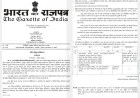
The agreement between Elite Falcons Private Limited and the Bhojpur District Health Society, represented by the Civil Surgeon as Member Secretary, sets clear terms for wages and deployments. As per the contract, wages are structured based on roles and qualifications to ensure fair compensation reflective of the demanding nature of hospital security—dealing with agitated crowds, potential violence, and round-the-clock shifts.
- Retired military supervisors: ₹1,665.08 per day
- Armed retired military guards: ₹1,470.27 per day
- Unarmed security guards (general): ₹1,251.95 per day
- Armed civilian guards: ₹1,076.57 per day
- Unarmed civilian guards: ₹880.66 per day
These rates are designed to comply with Bihar's minimum wage regulations for security personnel, which, as of 2025, start at around ₹505 per day for unarmed guards and scale up for skilled or armed roles. The company receives a substantial sum from the state health department via the District Health Society to cover these wages, plus overheads and profits. On paper, this setup appears robust, ensuring that guards—many of whom are ex-servicemen who have dedicated years to national defense—are adequately rewarded for their continued service in civilian roles.
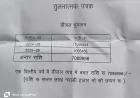
However, the reality on the ground paints a starkly different picture. Guards report that while the company documents high salaries in official records, the actual payouts are significantly lower. This discrepancy not only violates the contract but also erodes trust in the system. The fear of retaliation—such as job loss—silences many, leaving them to endure financial hardship silently.
Elite Falcons Private Limited, based in Patna, Bihar, was incorporated in December 2018 as a private limited company specializing in security and manpower services. With a mission to "keep the country safe," the firm offers services like event security, VIP protection, and corporate guarding across various states. Its website boasts of professional standards, but allegations from Ara Sadar Hospital suggest otherwise.
Workers claim the company pockets a large portion of the government funds allocated for wages, paying guards amounts that fall short of the agreed rates. For instance, a retired military supervisor entitled to over ₹1,600 daily might receive only a fraction, forcing them to stretch meager earnings to support families. This practice amounts to economic exploitation, particularly poignant for ex-servicemen who, after years of service to the nation, find themselves undervalued in retirement.
The company's structure—a non-government entity with operations in Bihar—allows it to navigate competitive tenders, but critics argue it exploits loopholes in oversight. While no widespread public scandals have been reported against Elite Falcons specifically, the pattern aligns with broader complaints in the sector. Guards at Ara Sadar Hospital feel "cheated," as one anonymous source described, trapped by job scarcity in a state with high unemployment.
Elite Falcons Private Limited operates from Patna, with a registered office and a focus on security solutions. As a relatively young firm (less than a decade old), it has expanded by securing government contracts, including in healthcare. Its business model relies on hiring ex-servicemen for credibility, as their military background reassures clients of reliability.
However, the private security industry in India is rife with challenges. Valued at billions, it employs millions but is plagued by low wages, irregular payments, and poor working conditions. Firms like Elite Falcons compete fiercely for contracts, often underbidding to win, then offsetting costs by skimping on employee benefits. In Bihar, where average security guard salaries hover around ₹14,851 monthly, discrepancies like those alleged at Ara Sadar Hospital exacerbate inequality.
A related entity, Elite Falcons Tech Security Private Limited, incorporated in 2020, suggests expansion into tech-integrated security, but core issues remain. Without stringent audits, such companies can thrive on "moti kamai" (fat earnings) at workers' expense.
The guards at Ara Sadar Hospital—many retired faujis (soldiers)—face dire consequences from this alleged underpayment. Earning less than promised means struggling with basic needs like housing, education for children, and healthcare. In a state like Bihar, where inflation bites hard, these shortfalls can push families into debt.
Psychologically, the exploitation breeds resentment. Ex-servicemen, who once defended borders, now guard hospitals under duress, fearing dismissal if they complain. This silence perpetuates the cycle, as noted in studies on private security: workers endure to avoid unemployment.
Broader impacts include reduced morale, potentially compromising hospital security. Tired, underpaid guards may be less vigilant, risking patient safety in volatile environments.
India's labor laws provide safeguards against such exploitation. The Minimum Wages Act, 1948, mandates fair pay based on skill and region, with Bihar's rates for security guards revised periodically—unarmed at ₹541 daily for skilled roles as of October 2025. The Code on Wages, 2019, consolidates these, emphasizing timely payments and prohibiting deductions beyond limits.
For ex-servicemen, the Directorate General Resettlement (DGR) schemes aim to prevent exploitation by sponsoring agencies and ensuring fair terms. Violations can lead to penalties under the Private Security Agencies Regulation Act (PSARA), 2005, which Bihar enforces strictly.
If proven, Elite Falcons' actions could breach contract law and invite labor court interventions. Guards can file grievances with the Bihar Labour Department or seek union support.
This isn't isolated. Across India, private security firms have faced accusations of exploiting ex-servicemen. In Rajasthan, a 2025 fraud racket exposed forgeries exploiting ex-servicemen quotas. Nationally, DGR guidelines highlight safeguards against underpayment.
In government hospitals, wage issues persist. Bihar doctors have demanded better security, while studies show guards in central hospitals facing similar plights. Private Military Corporations (PMCs) also draw retired personnel into exploitative roles.
These patterns underscore systemic flaws: weak enforcement, lack of transparency, and profit-driven outsourcing.
Bihar's Health Minister Mangal Pandey, responsible for oversight, must act. Past actions, like investigating hospital incidents, show capability. He should audit the contract, ensure compliance, and direct payments per agreement.
The Bihar Unorganised Workers' Social Security Board can address grievances. State intervention could set precedents, protecting vulnerable workers.
Stakeholders must unite: unions advocate, media investigate, and courts enforce. Guards should document discrepancies and approach labor authorities. Companies like Elite Falcons need ethical overhauls.
Policy reforms—mandatory audits, direct payments—could prevent recurrence. Honoring ex-servicemen demands action.
The plight at Ara Sadar Hospital exemplifies how corporate greed erodes public trust. By addressing this, Bihar can lead in fair labor practices, ensuring security guards—heroes in uniform—receive due respect and compensation. Minister Pandey and authorities must intervene swiftly for justice and systemic reform.
What's Your Reaction?
 Like
0
Like
0
 Dislike
0
Dislike
0
 Love
0
Love
0
 Funny
0
Funny
0
 Angry
0
Angry
0
 Sad
0
Sad
0
 Wow
0
Wow
0