


















































ARA MP ATTENDS THE MEETING OF AGRICULTURE COMMITTEE OF LOK SABHA
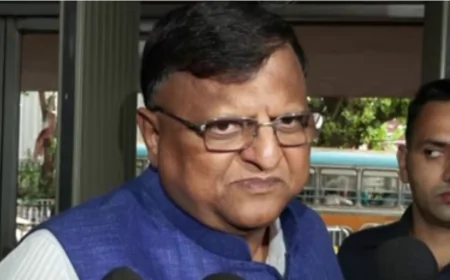
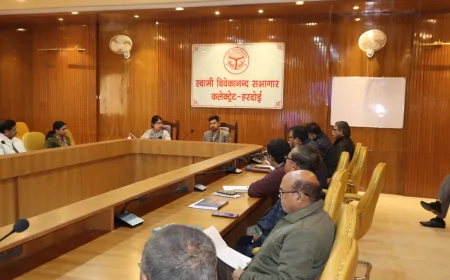
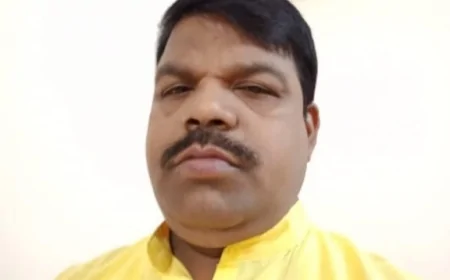
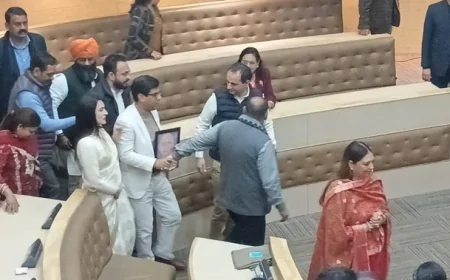
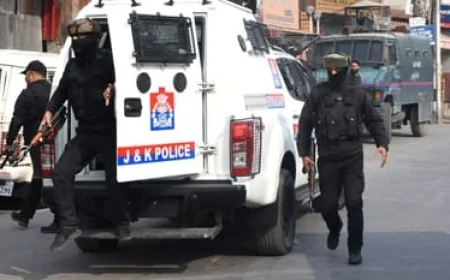
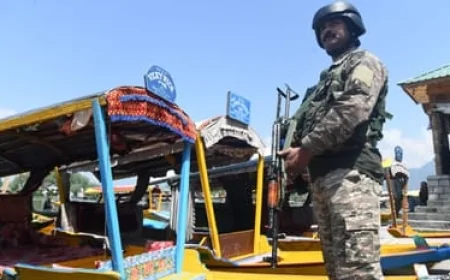
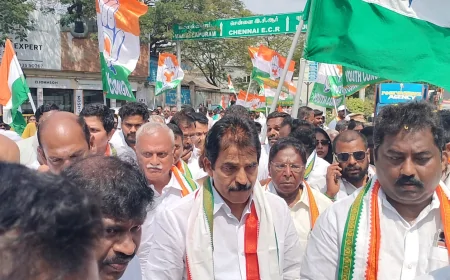
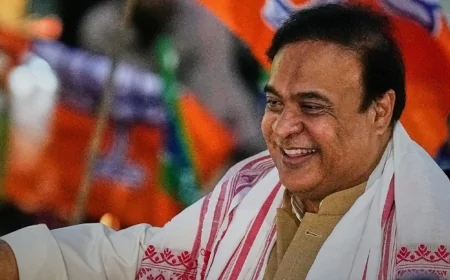
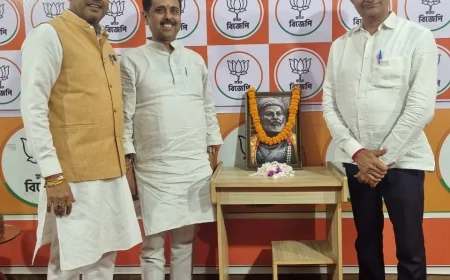
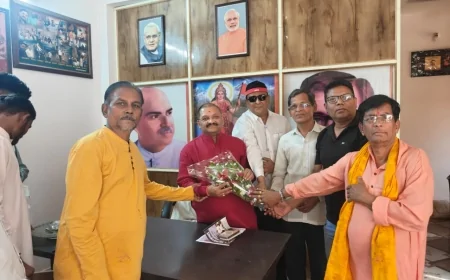
Ara MP Sudama Prasad today attended the meeting of the Agriculture Committee of Lok Sabha in Srinagar. Being a member of the Agriculture Committee in the Lok Sabha, he gave his important suggestions for the welfare of the farmers of the country in the meeting chaired by Union Agriculture and Farmers Welfare Minister Shivraj Singh Chauhan which mainly had the following various points on Oil Seed Mission

ARA MP ATTENDS THE MEETING OF AGRICULTURE COMMITTEE OF LOK SABHA
4-JULY-ENG 17
RAJIV NAYAN AGRAWAL
ARA-----------------------------Ara MP Sudama Prasad today attended the meeting of the Agriculture Committee of Lok Sabha in Srinagar. Being a member of the Agriculture Committee in the Lok Sabha, he gave his important suggestions for the welfare of the farmers of the country in the meeting chaired by Union Agriculture and Farmers Welfare Minister Shivraj Singh Chauhan which mainly had the following various points on Oil Seed Mission


NMEO-OP aims to plant more than 6.5 lakh hectares of new oil palm plantations, with Assam identified as a major area. However, oil palm is a water-intensive and single crop (monoculture) which is being promoted in ecologically fragile areas, which is likely to lead to deforestation in biodiversity-rich areas like the foothills of Arunachal and Barak Valley, which violates India's declared climate and biodiversity goals. 2. Despite such a large scale of land use change, there has been no Environmental Impact Assessment (EIA), nor forest clearance processes or assessment of the overall ecological impact. Promoting oil palm without mapping fragile forest areas or wildlife corridors undermines India’s commitments under the UN Convention on Biodiversity (CBD) and the Paris Agreement.
The proposed expansion may threaten the rights of tribal and forest-dwelling communities whose claims under the Forest Rights Act (FRA), 2006 are pending or not recognised. No institutional mechanism exists to protect community land rights under the NMEO.
While the mission provides subsidies on saplings and agricultural inputs, there is neither minimum price support for oil palm, nor a government procurement mechanism or assured access to markets. These small and marginal farmers are vulnerable to volatile prices set by large corporates.
Land is being diverted to a non-food, commercial crop, i.e. oil palm, thereby reducing the availability of land for cereals, pulses, or local oilseeds such as mustard and groundnut. This will adversely impact local food and nutritional diversity.
This government policy assumes that the agro-climatic zones of the northeast can replicate the oil palm success of Andhra Pradesh, even though there are huge differences in rainfall, soil structure, slope, biodiversity and farming systems. The complex agro-ecology of Assam demands a diversified oilseed strategy, not a uniform one.
NMNF is being touted as a flagship scheme, but its 2025–26 budget allocation is only ₹616 crore, while the fertilizer subsidy for the same year is ₹1.67 lakh crore. When 8.5 crore farmers are expected to make a change, why not give the same amount? The total budget of NMNF for the four years 2022–2026 is only ₹1,584 crore, i.e. about ₹400 crore per year, while fertilizer subsidy in FY23 alone was more than ₹2 lakh crore. With such uneven allocation, how will a “transformative” and climate-friendly model be delivered to 8.5 crore farmers?
₹459 crore was allocated for NMNF in 2023–24, but only ₹30 crore was spent, i.e. a mere 6% utilisation. With such low disbursement, won’t this “mission mode” be limited to just hype?
₹2.25 lakh crore is going to be spent on fertilizer subsidy in 2024–25. At the same time, NMNF encourages farmers to exit the system, but does not provide any compensatory support for them.
It is being said that there is no provision for production insurance in NMNF, whereas farming, especially natural farming, gives the possibility of low production in the initial years. Why are farmers being burdened without insurance, MSP or price support?
This mission approved by the Cabinet includes components like 15,000 clusters, 10,000 bio-input centers and 30,000 Krishi Sakhi. But there is no institutional accountability at the state/district level. In such a situation, who will implement the goals of the mission?
NMNF promises certification and branding for natural products, but no budget has been set for necessary arrangements like supply chain, marketing and contract farming. This policy takes away any bargaining power of the farmers and paves the way to push them towards corporate contract farming.
In the end, he said that the above issues should be considered seriously which will have a positive impact on the farmer and the country's climate.
What's Your Reaction?
 Like
0
Like
0
 Dislike
0
Dislike
0
 Love
0
Love
0
 Funny
0
Funny
0
 Angry
0
Angry
0
 Sad
0
Sad
0
 Wow
0
Wow
0