













































































A Scientific Proposal to End the Russia–Ukraine War
Shailendra Birani

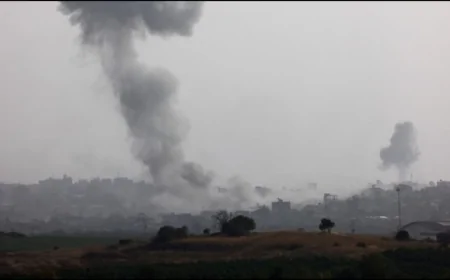
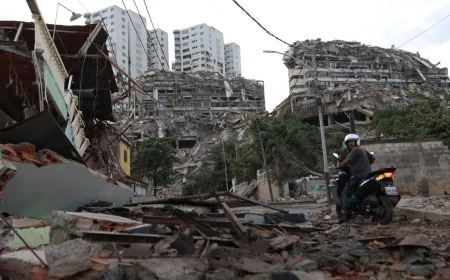
New delhi (RNI) It has been more than three years since the war between Russia and Ukraine began, and with each passing day the conflict edges closer to a point that could trigger a third world war or even a devastating nuclear confrontation. The new American President, who once claimed he could end the war in a single day, has made several unsuccessful attempts and now admits publicly that a ceasefire will take a long time.
Despite countless diplomatic formulas and endless rounds of negotiations, the world’s political leaders have failed to halt the destruction. Analysts now argue that the only permanent way to resolve the crisis may lie not in politics, but in logic and principles drawn from science.


According to this line of analysis, the root of the stalemate lies in outdated thinking by global powers. NATO’s eastward expansion fuels Russia’s insecurity, Ukraine demands guarantees to preserve its sovereignty, America clings to its role as the world’s strongest nuclear power, and Europe fears further Russian aggression. Each side remains trapped in past frameworks—NATO’s Article 5, the legacy of the Soviet Union, and the European Union’s structure—rather than adapting to present realities.
The proposal suggests that the war could end if NATO itself were restructured to include Russia as a member, even allowing Moscow to lead the alliance for a limited period. Such an arrangement would modernize the treaty and visibly recognize Russia alongside Europe. Ukraine, meanwhile, should retain the territory it held after the Soviet collapse in 1991, but Russia should enjoy free movement and business rights in Crimea. The peninsula, under this plan, would host the headquarters of the new collective organization, with a joint army stationed there made up of Russian, European, and American troops.


Proponents argue this would satisfy Russia’s desire for security and recognition, while giving America continued access to Ukraine’s mineral resources. They point to Britain’s exit from the European Union in 2020 as evidence that nations can remain cooperative even while charting separate political paths. They also note that business ties—such as America buying Russian uranium and Europe relying on Russian oil—already prove that practical cooperation exists beneath the hostility.
In a world where nuclear weapons deter every side from total victory, the logic is straightforward: if former enemies became partners in one shared security framework, the cycle of fear and escalation could finally be broken. The vision, bold as it is, suggests that turning “predators into protectors” may be the only way to end the Russia–Ukraine war and prevent a wider catastrophe.
What's Your Reaction?
 Like
0
Like
0
 Dislike
0
Dislike
0
 Love
0
Love
0
 Funny
0
Funny
0
 Angry
0
Angry
0
 Sad
0
Sad
0
 Wow
0
Wow
0