









































































PROCESS OF RENAMING RAJ BHAWAN TO ‘LOK BHAWAN’
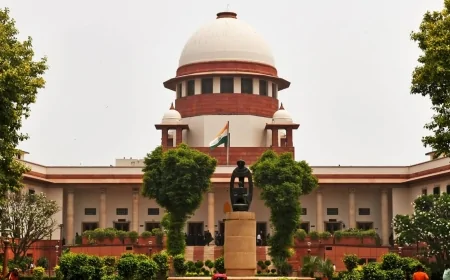
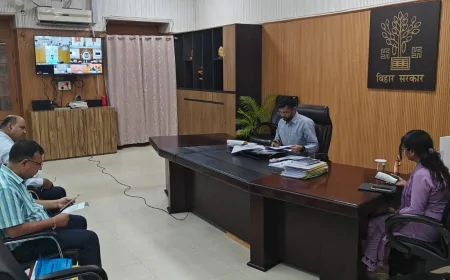
The process of renaming Raj Bhavans to "Lok Bhavans" has accelerated in several states across the country. Following the instructions of the Government of India, West Bengal, Tamil Nadu, Kerala, Assam, Uttarakhand, Odisha, Gujarat, and Tripura—as well as one Union Territory—have already renamed their Raj Bhavans as "Lok Bhavans." In this vein, the Prime Minister's Office (PMO) complex has also been renamed "Seva Teerth."

PROCESS OF RENAMING RAJ BHAWAN TO ‘LOK BHAWAN’
3-DEC-ENG 7


RAJIV NAYAN AGRAWAL
ARA-------------------------------The process of renaming Raj Bhavans to "Lok Bhavans" has accelerated in several states across the country. Following the instructions of the Government of India, West Bengal, Tamil Nadu, Kerala, Assam, Uttarakhand, Odisha, Gujarat, and Tripura—as well as one Union Territory—have already renamed their Raj Bhavans as "Lok Bhavans." In this vein, the Prime Minister's Office (PMO) complex has also been renamed "Seva Teerth."


The government's rationale is clear: the names and symbols of governance should be people-centric. Government work should reflect a sense of service and duty, not the arrogance of power. The renaming of government institutions over the past few years reflects this thinking. Rajpath was renamed "Kartavya Path" and the Central Secretariat was renamed "Kartavya Bhavan." These changes are not mere renamings, but rather indicate a shift in governance priorities.
This is a process of profound ideological change. For a long time, the word "Raj" has been a symbol of a power-centric mindset in the Indian bureaucracy and political structure—terms like Raj Bhavan, Rajpath, and Raj Niwas carry this legacy. Changing the name is a symbolic move, but such symbols have a profound impact on psychology. The system that was once called "Raj" will now be called "Lok." This change is not merely a change of board, but an attempt to transform the democratic mindset.
The transformation of Raj Bhavans into "Lok Bhavans" highlights that the Governor is not a symbol of royal power, but a constitutional post funded by the public. Their role is to serve the people, not to carry the colonial relics of governance.
The transformation of Raj Bhavans into "Lok Bhavans" is part of a series in which the Indian system of governance is gradually moving away from the language of "Raj" and toward the language of public service. Today, this change is visible in the names, and in the future, it will likely be reflected in the system's behavior as well. The message of change is clear, but the biggest question remains:
Will simply removing "Raj" and adding "Lok" truly make leaders, ministers, and bureaucrats act in accordance with the sentiments of the "Lok"? Will administrative behavior reflect the same sense of responsibility and service that these new names symbolize?
If the answer is "yes," this change will not be merely symbolic, but will become a historic initiative that will further strengthen Indian democracy.
What's Your Reaction?
 Like
0
Like
0
 Dislike
0
Dislike
0
 Love
0
Love
0
 Funny
0
Funny
0
 Angry
0
Angry
0
 Sad
0
Sad
0
 Wow
0
Wow
0