




























































COURT VERDICT BUSTS FALSE ‘SAFFRON TERRORISM’ NARRATIVE
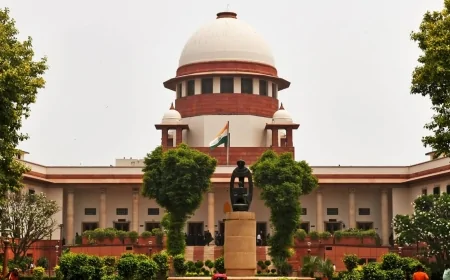
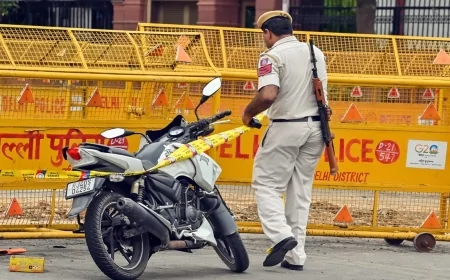
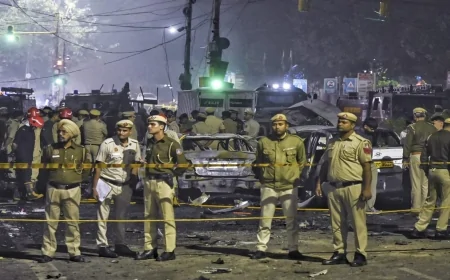
---The 29 September 2008 blast in Malegaon, Maharashtra killed 6 people and injured over 100. Initially, the incident was seen as a normal terrorist attack, but as the investigation progressed, the case turned into a political explosion. Some people associated with Hindutva were accused and for the first time terms like ‘Hindu terrorism’ or ‘saffron terrorism’ became central to Indian politics and media discourse, but on 25 July 2025, the special NIA court acquitted all seven accused, prominent among them were Sadhvi Pragya Singh Thakur and Lt. Col. Prasad Purohit, for lack of evidence. The court clearly stated that the prosecution could not prove the charges beyond doubt. This decision is not just a personal relief for the accused, but it is a strong blow to the entire narrative of 'saffron terrorism', which was largely created and nurtured by Indian politics and media since 2008.

COURT VERDICT BUSTS FALSE ‘SAFFRON TERRORISM’ NARRATIVE
1-AUG-ENG 20


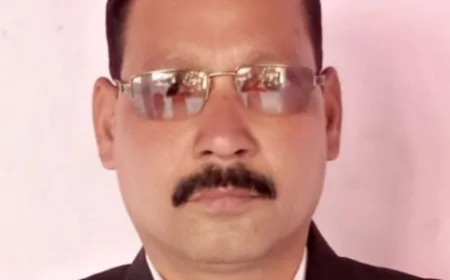
RAJIV NAYAN AGRAWAL
ARA-----------------------------The 29 September 2008 blast in Malegaon, Maharashtra killed 6 people and injured over 100. Initially, the incident was seen as a normal terrorist attack, but as the investigation progressed, the case turned into a political explosion. Some people associated with Hindutva were accused and for the first time terms like ‘Hindu terrorism’ or ‘saffron terrorism’ became central to Indian politics and media discourse, but on 25 July 2025, the special NIA court acquitted all seven accused, prominent among them were Sadhvi Pragya Singh Thakur and Lt. Col. Prasad Purohit, for lack of evidence. The court clearly stated that the prosecution could not prove the charges beyond doubt. This decision is not just a personal relief for the accused, but it is a strong blow to the entire narrative of 'saffron terrorism', which was largely created and nurtured by Indian politics and media since 2008.


The term 'saffron terrorism' first came into discussion at the national level in 2010, when the then Home Minister P. Chidambaram used this term. Its implication was that elements associated with some Hindu organizations can also be involved in terrorist activities, although in any civilized and democratic society, the idea that any citizen, irrespective of his religion, caste or ideology, should come under the purview of law should not be completely unacceptable. But in the socio-cultural structure of India, 'saffron' is directly associated with 'Sanatan Dharma', 'Sant Tradition', and 'Hindutva', due to which the use of this word not only led to political but also communal polarization.
The influence of this word was so widespread that for a long time in Indian politics, Congress was accused of being an 'anti-Hindu party'. After 2014, the BJP registered its strong protest against this narrative and now it has declared the 2025 court verdict as a 'refutation of this narrative' and called it a 'victory of Hindutva'. From Maharashtra ATS to NIA, everyone was involved in the investigation of the Malegaon case, but it is clear from the court's comments that the investigation of this entire case was done on the basis of a predetermined narrative rather than facts. Special Judge A.K. Lahoti said in his verdict that there was no concrete evidence to link the motorcycle to Pragya Thakur, the technical evidence of the explosion was weak and even serious provisions like UAPA imposed on the accused could not be proved.
This conclusion is a matter of serious introspection for our investigation system. Can our investigation agencies work in a scientific and impartial manner, free from political pressures? Is it justified to declare a person a terrorist only on the basis of his ideology, attire or religious identity? Lt Col Purohit and Sadhvi Pragya Thakur have repeatedly claimed that they were framed in false cases, were physically and mentally tortured, their social reputation and professional lives were destroyed. “I lived a sanyasi life, I was made a terrorist. My life is ruined,” Sadhvi said outside the court.
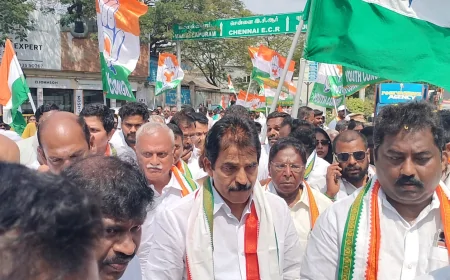
This is not just a personal pain, but it reflects the failure of the system, which tried to prove an innocent as a terrorist for 17 years but failed. In such a situation, it becomes necessary that in every sensitive case, sufficient evidence should be gathered before arrest, and there should be no place for haste or bias in the judicial process. While the BJP attacked the Congress fiercely after the court's decision, the Congress has not been able to give any concrete response to this decision till now. This silence raises questions about its moral accountability. If it really believes in secularism and justice, then it should clarify on what basis its investigating agencies declared these accused as terrorists between 2008-2013.
Chidambaram's use of the term 'saffron terrorism' in 2010 has now become a burden on his political future and the party's credibility. If the party does not introspect, it will further weaken its credibility, especially at a time when the BJP is ready to cash in on this issue in its election campaign. From a legal point of view, the court has made it clear that the benefit of doubt has been given to the accused because no concrete and credible evidence was found, but this decision also raises the question that why have the victims of Malegaon not got justice till now? If these accused have been acquitted, then who are the real culprits? Should this case be reopened and investigated again?
This question is not just a search for an answer to a crime in the minds of the people, but it is a demand to maintain faith in the system, which is the ultimate source of justice. Waiting for justice for 17 years is in itself a failure of justice. The way the BJP has become aggressive about this decision, it is clear that it wants to cash in on this issue in the upcoming elections. BJP spokespersons, Union ministers and Sadhvi Pragya herself are calling this an 'ideological victory of Hindutva'. For them, this is a victory in a 'narrative war' in which they are moving towards proving Congress to be an 'anti-Hindu' party.
This strategy can not only promote religious polarization, but can also pose a challenge to India's pluralistic and secular system. If religion-based discussions start becoming political weapons, then democracy can deviate from its basic purpose. Malegaon Ma The findings in Male are a matter of introspection for our judicial system. Keeping the accused in custody for years, prosecuting them without sufficient evidence, and finally acquitting them, all highlight a systemic flaw that we must address urgently. It is time that India developed an autonomous, technically equipped and morally sound investigative system, with no room for political interference. Along with this, timeliness, transparency and protection of civil rights should be the priority in investigating serious cases like terrorism.
The narrative of ‘saffron terrorism’ that was built since 2008 has been demolished by the judiciary today, but more important is the rediscovery of justice for the victims who still do not understand that if these people were not guilty, then who was? This case tells us that justice is not just a legal process, it is the accountability of the state to society. Today is not just a personal victory for Pragya Singh or Purohit, it is also a question mark for our democracy: will we ever be able to make our institutions so competent and impartial that justice is truly timely and accessible to all?
What's Your Reaction?
 Like
0
Like
0
 Dislike
0
Dislike
0
 Love
0
Love
0
 Funny
0
Funny
0
 Angry
0
Angry
0
 Sad
0
Sad
0
 Wow
0
Wow
0