























































THE HIDDEN REALITIES OF SEX WORKERS IN BHOJPUR: EVALUATION, CHALLENGES AND SOCIAL IMPACT
Sex work, often shrouded in stigma and secrecy, remains a complex and contentious issue in India, where it operates in a legal gray area. While prostitution itself is not illegal, related activities like running brothels, pimping, and solicitation are criminalized under the Immoral Traffic (Prevention) Act of 1956. In rural districts like Bhojpur in Bihar, sex work is not as overtly visible as in urban red-light areas such as Sonagachi in Kolkata or Kamathipura in Mumbai, but it persists as a subterranean economy driven by poverty, migration, and exploitation. Bhojpur, a district in southern Bihar with a population of over 2.7 million as per the 2011 Census (estimated to be around 3.4 million in 2024), is primarily agrarian, with agriculture employing the majority of its residents. Yet, beneath this rural facade lies a network of sex work influenced by economic desperation, human trafficking, and evolving technologies.

THE HIDDEN REALITIES OF SEX WORKERS IN BHOJPUR: EVALUATION, CHALLENGES AND SOCIAL IMPACT
14-AUG-ENG 1


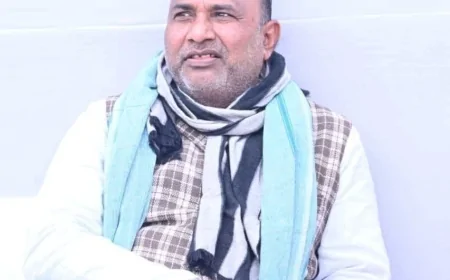
RAJIV NAYAN AGRAWAL
ARA--------------------------Sex work, often shrouded in stigma and secrecy, remains a complex and contentious issue in India, where it operates in a legal gray area. While prostitution itself is not illegal, related activities like running brothels, pimping, and solicitation are criminalized under the Immoral Traffic (Prevention) Act of 1956. In rural districts like Bhojpur in Bihar, sex work is not as overtly visible as in urban red-light areas such as Sonagachi in Kolkata or Kamathipura in Mumbai, but it persists as a subterranean economy driven by poverty, migration, and exploitation. Bhojpur, a district in southern Bihar with a population of over 2.7 million as per the 2011 Census (estimated to be around 3.4 million in 2024), is primarily agrarian, with agriculture employing the majority of its residents. Yet, beneath this rural facade lies a network of sex work influenced by economic desperation, human trafficking, and evolving technologies.


This article delves into the multifaceted world of sex workers in Bhojpur, addressing key aspects: the locations where such activities flourish, the origins of the workers, the fate of their offspring, profiles of prominent figures (while respecting privacy and ethics), earning mechanisms, seasonal variations like marriage seasons, post-retirement realities, modern transformations through mobile culture, and the underlying reasons for entry into the trade. Drawing from available reports, studies, and news sources, it aims to provide a balanced, substantiated view without sensationalism or endorsement of illegal activities. The narrative highlights the human rights violations, health risks, and social stigmas involved, underscoring the need for rehabilitation and policy reform.
Bhojpur district, headquartered in Ara town, lacks the infamous large-scale red-light districts seen in other parts of Bihar, such as Chaturbhuj Sthan in Muzaffarpur, which houses over 3,500 sex workers and traces its origins to the Mughal era. Instead, sex work here is more dispersed and clandestine, often operating through small brothels, roadside dhabas (eateries), and temporary setups in semi-urban areas. Reports indicate that activities are concentrated in Ara's outskirts, along highways connecting to Patna and neighboring districts like Rohtas and Buxar. For instance, in 2019, Bihar Police busted a sex racket in Bhojpur, arresting two individuals, including a woman, operating from a discreet location in the district. These operations are typically run from rented houses or hotels, blending into the local landscape to evade detection.
In rural pockets like Jagdishpur and Piro subdivisions, sex work emerges in transient forms, such as near truck stops or during fairs and markets. Escort service advertisements on websites claim availability in Bhojpur, portraying it as a hub for "independent call girls" operating 24/7, but these are often unregulated and linked to broader networks in Bihar. The district's proximity to Patna, Bihar's capital, facilitates spillover from urban prostitution rings. However, unlike organized brothels in Muzaffarpur or Purnia (which has around 10 red-light areas), Bhojpur's scene is fragmented, relying on word-of-mouth and mobile networks rather than fixed establishments. This dispersion makes it harder for authorities to intervene, allowing syndicates to thrive under the radar.
Sex workers in Bhojpur are rarely local; most are trafficked or migrate from impoverished regions. Bihar is a major source, transit, and destination state for human trafficking in India, with Bhojpur serving as a destination due to its connectivity via National Highway 922. Common origins include neighboring states like Jharkhand, Uttar Pradesh, and West Bengal, as well as Nepal and Bangladesh. Trafficking networks exploit economic vulnerabilities, luring women with promises of jobs in domestic work or factories, only to force them into sex work. A 2021 qualitative study on anti-trafficking efforts in Bihar and Uttar Pradesh highlighted how rural girls from flood-prone or drought-affected areas in Bihar itself are coerced into the trade.
Cross-border trafficking is rampant; reports note that many workers in Bihar's red-light areas, including those spilling into Bhojpur, are from Bangladesh, trafficked via porous borders. Within India, communities like the Nat, Bediya, and Kanjar castes—historically associated with performing arts but pushed into sex work due to marginalization—contribute significantly. An ethnographic study of women in prostitution in Bihar revealed that many enter through deception by relatives or agents, with origins tracing back to rural poverty hotspots in districts like Sitamarhi or Madhubani. In Bhojpur, these women are often "brought in" by local syndicates operating from Ara, where they are housed in makeshift brothels.
Children born to sex workers in Bhojpur face profound challenges, perpetuating cycles of poverty and stigma. Without formal recognition, many lack birth certificates, barring them from education and government schemes. Studies show that daughters often inherit the profession due to societal rejection, while sons may turn to crime or pimping. In Bihar, initiatives like the Durbar Mahila Samanwaya Committee in West Bengal (which has influenced Bihar efforts) provide residential schools for such children, but coverage in Bhojpur is limited.
Offspring endure health risks, including HIV/AIDS, as Bihar has high vulnerability among female sex workers (FSWs). A 2013 Al Jazeera report on red-light districts noted that children are "humanized" through community efforts but often face discrimination. In Bhojpur, some are adopted informally or sent to orphanages, but many remain in the environment, exposed to exploitation. Recent efforts, like magazines run by children of sex workers in Muzaffarpur (Jugnu), aim to amplify their voices, but Bhojpur lacks such localized programs.
Naming specific individuals in sex work raises ethical concerns, as it could endanger lives and perpetuate stigma. In Bhojpur, "popular" figures are typically anonymous, known only within networks. Brothel managers or "malkins" (landladies) often gain notoriety locally, but no verified names emerge from credible sources. Unlike historical figures in larger areas, Bhojpur's workers remain faceless, emphasizing the trade's invisibility.
Sex workers in Bhojpur earn through client fees, ranging from ₹500-₹2,000 per encounter, depending on venue and client type. In brothels, a portion goes to pimps or owners, leaving workers with minimal shares. Call girls, operating independently, charge higher (₹5,000-₹10,000), retaining more. Earnings fluctuate; daily income might be ₹1,000-₹3,000, but debts from trafficking reduce net gains. Some supplement with dancing at weddings or events, a traditional outlet in Bihar.
Marriage seasons (October-February) see a surge in demand, as celebrations provide cover for discreet encounters. Workers perform Mujra dances at events, transitioning to private services. In Bhojpur, this boosts earnings but heightens risks like violence. Reports from Bihar indicate increased trafficking during festivals to meet demand.
Upon reaching "elderhood" (typically 40+), many face destitution, relying on savings or community support. Some shift to managing brothels or pimping, while others beg or join NGOs. India's Supreme Court in 2022 recognized sex work as a profession, entitling retirees to benefits, but implementation in Bhojpur is poor. Health issues like STIs compound poverty.
The advent of mobile phones has revolutionized sex work in Bhojpur, shifting from brothels to "call girl" models. Workers now use apps like WhatsApp for bookings, operating from hotels, theaters, and restaurants. This sophistication allows discretion, with terms like "escorts" or "massage services" masking activities. In Bhojpur, ads on sites promise "independent escorts," reflecting this change. However, it increases vulnerability to online exploitation.
Syndicates operate via agents; contact often occurs through middlemen, but sharing specific numbers or addresses is unethical and illegal, as it promotes harm. Lifestyle has become more mobile and "sophisticated," with workers dressing modernly and using digital payments, but risks like blackmail persist.
Poverty is the primary driver, pushing women from rural Bihar into sex work. Limited education, family debts, and lack of opportunities exacerbate this. Trafficking accounts for 70-80% of entries, with coercion by relatives or agents. Caste-based traditions in communities like the Bediya force generational involvement. Domestic violence, widowhood, or abandonment also contribute. In Bhojpur, economic migration from flood-hit areas amplifies these factors.
Sex work in Bhojpur reflects broader Indian societal failures: inequality, weak enforcement, and stigma. While modernization offers agency, it doesn't erase exploitation. Rehabilitation programs, like those training sex workers in culinary skills in Muzaffarpur, could extend to Bhojpur. Policymakers must prioritize decriminalization, health services, and anti-trafficking measures. Ultimately, addressing root causes like poverty will break the cycle, fostering dignity for all.
What's Your Reaction?
 Like
0
Like
0
 Dislike
0
Dislike
0
 Love
0
Love
0
 Funny
0
Funny
0
 Angry
0
Angry
0
 Sad
0
Sad
0
 Wow
0
Wow
0