































































OBSCENITY IN THE GUISE OF GARBA: THE INDORE CAFÉ CONTROVERSY AND THE TRANSFORMATION OF NAVRATRI TRADITIONS
Introduction: A Dance of Devotion Tarnished? As the rhythmic beats of the dhol echo through the streets and the air fills with the scent of incense and marigold garlands, Navratri arrives like a whirlwind of color and fervor in India. This nine-night festival, dedicated to the worship of Goddess Durga and her various forms, is a time when communities come together in joyous celebration. Central to these festivities, especially in Gujarat and beyond, are the dances of Garba and Dandiya—vibrant expressions of faith, unity, and cultural heritage that have transcended regional boundaries to become pan-Indian phenomena. Yet, in the heart of Madhya Pradesh's bustling city of Indore, what should have been a night of spiritual revelry at a local cafe spiraled into a national scandal, exposing the darker undercurrents of modernization and commercialization plaguing these sacred traditions.

OBSCENITY IN THE GUISE OF GARBA: THE INDORE CAFÉ CONTROVERSY AND THE TRANSFORMATION OF NAVRATRI TRADITIONS
30-SEP-ENG 13


RAJIV NAYAN AGRAWAL
ARA----------------------------


Introduction: A Dance of Devotion Tarnished?
As the rhythmic beats of the dhol echo through the streets and the air fills with the scent of incense and marigold garlands, Navratri arrives like a whirlwind of color and fervor in India. This nine-night festival, dedicated to the worship of Goddess Durga and her various forms, is a time when communities come together in joyous celebration. Central to these festivities, especially in Gujarat and beyond, are the dances of Garba and Dandiya—vibrant expressions of faith, unity, and cultural heritage that have transcended regional boundaries to become pan-Indian phenomena. Yet, in the heart of Madhya Pradesh's bustling city of Indore, what should have been a night of spiritual revelry at a local cafe spiraled into a national scandal, exposing the darker undercurrents of modernization and commercialization plaguing these sacred traditions.
On September 24, 2025, a video from a Garba event at a cafe on Bypass Road in Indore's Rau area began circulating on social media platforms, igniting a firestorm of outrage. The footage, reportedly six days old at the time of going viral, captured young men and women swaying to Garba tunes, but interspersed with scenes that many deemed vulgar and obscene: couples locked in intimate embraces, suggestive dances bordering on the erotic, and even allegations of hookah lounges operating in the shadows of the event. What began as a seemingly innocuous night of dance quickly unraveled into accusations of cultural desecration, with Hindu organizations like the Vishva Hindu Parishad (VHP) and Bajrang Dal leading vehement protests. "This is not Garba; this is an assault on our dharma," thundered local VHP leaders, demanding immediate shutdowns and legal action against the cafe management.
The incident at the unnamed cafe—described in reports as a trendy urban hotspot catering to the city's youth—highlights a growing rift between tradition and contemporaneity. Garba, once a ritualistic circle dance performed in temple courtyards to honor the divine feminine, has morphed into a high-octane social event, complete with entry fees, celebrity DJs, and fusion music. In Indore, a city known for its conservative ethos blended with youthful exuberance, this event crossed an invisible line, prompting not just moral indignation but also questions about permissiveness in public spaces. Local residents expressed fury, with one elderly woman quoted in media reports as saying, "Our festivals are being turned into playgrounds for the morally bankrupt."
As police investigations reveal that the cafe lacked even basic permissions for the event—let alone compliance with cultural event guidelines—the scandal underscores broader anxieties. Rau police station in-charge confirmed to reporters that no formal complaint had been lodged yet, but the video's authenticity was under scrutiny, with preliminary probes pointing to unmonitored alcohol service and inadequate security. This is not an isolated flare-up; across India, Navratri 2025 has been marred by similar controversies, from dress code enforcements in Gujarat to entry bans for non-Hindus in Madhya Pradesh. In this article, we delve into the Indore incident while weaving in the rich tapestry of Garba and Dandiya's history, their cultural evolution, and the perils of their commodification. Through this lens, we explore how a festival of empowerment risks becoming a battleground for societal values.
The Indore Cafe Scandal: A Timeline of Infamy
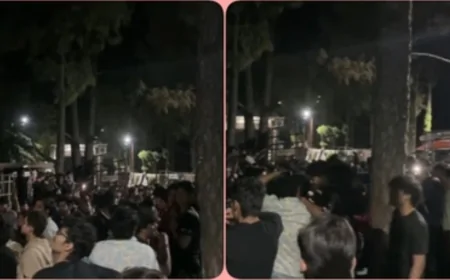
The video that set social media ablaze was innocuous at first glance: a dimly lit cafe interior pulsing with strobe lights, participants in shimmering chaniya cholis and kediyus clapping hands in circular formation, the infectious garba beats of "Uyi Uyi Aata" filling the air. But as the 45-second clip progressed, the tone shifted dramatically. Couples were seen grinding against each other in ways that evoked nightclub antics rather than devotional fervor; one frame allegedly showed a young woman perched provocatively on a man's lap, while another captured furtive puffs from hookah pipes amid the dancers. Shared initially on Instagram Reels by local influencers, the video amassed over 500,000 views within 24 hours, with hashtags like #IndoreGarbaScandal and #SaveNavratri trending nationwide.
Eyewitness accounts, pieced together from user comments and follow-up posts, paint a picture of chaos. The event, advertised as a "premium Garba night" with passes priced at ₹500-₹1,000, drew a crowd of over 200 urban millennials and Gen Z revelers. "It started fine—everyone was dancing traditionally," recounted one attendee anonymously on a Reddit thread. "But as the night wore on, the DJ switched to remixed Bollywood tracks, and things got... wild. Security was lax, and the cafe staff seemed to encourage the vibe for tips." Allegations of alcohol being served covertly—despite Navratri's teetotaler ethos—further fueled the fire, with some claiming bottles were passed under tables disguised as water.
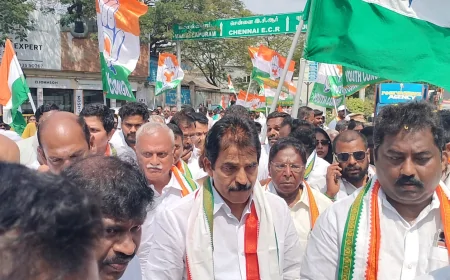
By September 27, 2025, the backlash had escalated. Hindu outfits stormed the streets near Rau, holding placards that read "Garba Nahi, Gandagi!" (Not Garba, Filth!). VHP district coordinator Rajesh Patel addressed a impromptu rally: "These so-called events mock our goddesses. Under the pretext of culture, they're promoting vice. We demand the cafe's license be revoked and arrests made." Similar sentiments echoed from Bajrang Dal activists, who linked the incident to a pattern of "moral decay" infiltrating festivals. Local BJP leaders joined the chorus, with one MLA from Indore tweeting, "Navratri is for shakti upasna, not shakti ka apmaan. Strict action needed."
The cafe management, caught off-guard, issued a terse statement on their social media: "We regret any discomfort caused. The event was meant to celebrate Navratri joyfully, and we're cooperating with authorities." But damage control fell flat; by September 28, the Madhya Pradesh Tourism Department announced an inquiry into unlicensed cultural events statewide, citing the Indore case as a "wake-up call." Rau police, meanwhile, raided the venue on September 29, seizing event records and questioning staff. No arrests were made, but fines for permit violations were imposed, totaling ₹50,000.
This scandal resonates deeply in Indore, a city straddling tradition and modernity. With its mix of IIT-Indore students and conservative joint families, the urban-rural divide mentioned in initial reports amplifies the shock—youth from "Bhojpur-like rural environs" migrating to cities, only to encounter such spectacles. As one sociologist noted in a post-incident op-ed, "It's a clash of worlds: the sacred Garba of village mandaps versus the commodified chaos of urban cafes." The video's virality—boosted by shares from right-wing handles—has now sparked debates on platforms like X (formerly Twitter), with over 10,000 posts dissecting everything from youth morality to festival policing.
The Sacred Origins: Tracing Garba and Dandiya Through Time
To grasp the profundity of the Indore outrage, one must journey back to the roots of Garba and Dandiya, dances that are not mere entertainment but embodiments of cosmic rhythms and divine narratives. Garba, derived from the Sanskrit garbha meaning "womb," is a circular folk dance symbolizing the cyclical nature of life and the nurturing power of the feminine divine. Originating in Gujarat over a millennium ago, it is intrinsically linked to Navratri, the festival commemorating Goddess Durga's triumph over the buffalo demon Mahishasura. Legend has it that Lord Shiva created Garba to celebrate the goddess's victory, with devotees forming circles around a garbha deep—a clay lamp representing the eternal soul within the womb.
Historically, Garba was performed exclusively by women in temple precincts or village squares during the nine nights (navratri) leading to Dussehra. Dressed in vibrant ghagra-cholis, they clapped in synchronized patterns—taali garba—to rhythmic vocals invoking Durga's forms: Shailaputri on day one, Brahmacharini on day two, and so on. The dance's circular motion mimics the earth's rotation and life's perpetual renewal, fostering community bonds and spiritual introspection. UNESCO recognized Garba of Gujarat as an Intangible Cultural Heritage in 2022, lauding it as a "ritualistic and devotional practice that promotes social cohesion and gender equality through shared performance." In rural Gujarat, where it thrives in its purest form, Garba nights (garba raas) extend till dawn, with songs like "Vigneshwar Padharo" blending devotion with subtle romance, reflecting Krishna's leelas in Vrindavan.
Complementing Garba is Dandiya Raas, the stick dance that adds a martial flair to the festivities. Dandiya—from danda meaning "stick"—involves pairs clashing two bamboo rods in rhythmic combat, evoking the goddess's weaponry in her battle against evil. Its origins trace to ancient texts like the Natya Shastra, but popular lore ties it to Lord Krishna, who used the dance to tease the gopis during raas leela, a nocturnal celebration of divine love. Performed on the festival's later nights, Dandiya symbolizes the victory of good over evil, with dancers forming lines or circles, their sticks clicking like arrows in Durga's quiver. In traditional settings, men dominate Dandiya, clad in kurtas and dhoti-kachchhis, while Garba remains a feminine domain, though modern iterations blur these lines.
These dances are more than choreography; they are pedagogical tools. Through repetitive steps—the panch jodi (five pairs) in Garba or the tip-tip stick taps in Dandiya—participants learn values of harmony, discipline, and resilience. In Gujarat's Kutch region, for instance, Garba variants like tran taali (three claps) incorporate trance-like elements, invoking shakti for healing and fertility rites. Similarly, Dandiya in Saurashtra draws from warrior traditions, with formations mimicking battlefield strategies. As ethnomusicologist Dr. Manorma Sharma notes, "These dances encode Hindu cosmology: the circle for infinity, the sticks for dharma's dual edge of protection and punishment."
Navratri's calendar amplifies their significance. The festival aligns with the autumnal equinox (Sharad Navratri), a time of harvest and renewal, when the moon waxes to fullness. Garba on ashtami (eighth night) peaks with kanya puja, feeding young girls as Durga's avatars, reinforcing matriarchal reverence. Dandiya, often on navami, culminates in garba garba—a fusion where sticks join claps—symbolizing integrated energies of purush (male) and prakriti (female). In the diaspora, from New Jersey's Garba Mela to London's Navratri Nights, these dances preserve identity amid assimilation, with over 2 million participants annually in the US alone.
Yet, as the Indore video starkly illustrates, this sanctity is under siege. What was once a village aarti has infiltrated urban cafes, where the deep is swapped for disco balls, and devotion yields to desire.
From Village Mandaps to Urban Extravaganzas: The Commercial Takeover
The metamorphosis of Garba and Dandiya from folk rituals to commercial bonanzas mirrors India's economic liberalization. In the 1990s, as Gujarat's entrepreneurial spirit surged, small community mandaps evolved into ticketed spectacles. Today, Navratri 2025 boasts over 5,000 organized events across India, generating an estimated ₹10,000 crore in revenue—from apparel sales to event sponsorships. Cities like Ahmedabad and Surat host "mega garbas" with capacities of 50,000, featuring laser shows and international DJs remixing classics with EDM beats.
This boom is fueled by branding. Corporates like Reliance and Tata sponsor garba utsavs, turning dances into marketing platforms. "Navratri is our Super Bowl," quips an ad executive, with campaigns peddling everything from energy drinks to ethnic wear. In Mumbai's Juhu, a 2025 event charged ₹15,000 per head for a "luxury Garba" with champagne towers—drawing ire for diluting traditions. Reddit users lament: "Garba feels like nighttime robbery now—₹2,000 tickets, ₹500 parking, overpriced pav bhaji."
Fashion has followed suit. Traditional mirrored cholis now compete with sequined lehengas from designers like Manish Malhotra, priced at ₹50,000+. Dandiya sticks, once bamboo, are now LED-lit acrylics syncing to apps. Music, too, has hybridized: Folk tunes by stalwarts like Falguni Pathak blend with rap infusions, appealing to youth but alienating purists. In Indore, the cafe's event exemplified this: A fusion playlist and "VIP lounges" with hookahs transformed a ₹500 entry into a profit machine, but at the cost of cultural integrity.
Critics argue this commodification erodes essence. "Folk Garba is dying in Gujarat itself," warns a Vadodara cultural activist, as rural events dwindle amid urban migration. Venues shift from open grounds to air-conditioned halls, excluding the economically disadvantaged. Moreover, the youth's role—central to the provided narrative—is double-edged. While they infuse energy, their embrace of "Western" elements like couple dances risks obscenity, as seen in Indore. Organizers tout inclusivity, but high costs and "dress codes" (ironically lax in some spots) create echo chambers of privilege.
Yet, positives persist: Commercial events democratize access in metros, drawing diverse crowds and boosting tourism. Gurugram's Garba-Ni-Raat 2025 promises "eco-friendly" twists, blending sustainability with tradition. The challenge lies in balance—preserving bhakti amid business.
Echoes of Protest: Controversies Rocking Modern Navratri
The Indore scandal is but a flashpoint in a year of tumult. In Bastar, VHP and Bajrang Dal halted Garba nights over "non-Hindu sponsors," decrying "obscenity platforms." Nagpur saw two events canceled after protests, organizers apologizing for "trend vs. tradition" lapses. In Madhya Pradesh, politicians advocated barring non-Hindus, sparking free-speech debates. Rajkot's Neel City Club faced clashes over "obscene songs" in modern Garba.
Common threads: Demands for ID checks, modest attire, and alcohol bans. In Surat, Bajrang Dal disrupted an event, forcing apologies. Social media amplifies these, with reels like Ahmedabad's United Way Garba—featuring a kissing couple—fueling calls for "cultural purity." Feminists counter that such vigilantism curtails women's agency, turning empowerment dances into policed spaces.
In Maharashtra, debates rage over Garba's "Hindu-only" status, with some invoking Krishna's inclusive raas. BJP MLAs in Gujarat protested Garba classes for "promoting blackmail and vice." These frictions reveal Navratri as a mirror to India's polarized soul—devotion versus division.
Broader Implications: Safeguarding Shakti in a Changing World
For India's youth, especially in transitional spaces like Indore's urban fringes, such incidents signal peril. The "danger bell" for rural-urban migrants rings loud: Festivals meant to instill values now risk normalizing boundary-pushing behaviors, from hookah haze to unchecked intimacy. Mental health experts warn of identity crises, as Gen Z navigates piety and partying. Yet, hope lies in hybrid models—community-led events with youth input, ensuring Garba evolves without erosion.
The Indore cafe's folly is a clarion call: Garba and Dandiya, born of womb and war, must not devolve into dens of discord. As Navratri 2025 wanes, let us circle back to roots—dancing not for likes, but for light. In honoring Durga's grace, we guard against obscenity's grasp, weaving tradition into tomorrow's tapestry.
What's Your Reaction?
 Like
2
Like
2
 Dislike
0
Dislike
0
 Love
0
Love
0
 Funny
0
Funny
0
 Angry
0
Angry
0
 Sad
0
Sad
0
 Wow
0
Wow
0