






































































MODI GOVERNMENT SHUNS SPECIAL SESSION ON OPERATION SINDOOR, FUELING DEBATE
The Modi government’s refusal to convene a special parliamentary session on the Pahalgam terror attack and Operation Sindoor has sparked accusations of evading accountability, as it preemptively announces the monsoon session to dilute focused debate on critical national security issues.

MODI GOVERNMENT SHUNS SPECIAL SESSION ON OPERATION SINDOOR, FUELING DEBATE
13-JUNE-ENG 2


RAJIV NAYAN AGRAWAL
ARA-------------------------The Modi government’s refusal to convene a special parliamentary session on the Pahalgam terror attack and Operation Sindoor has sparked accusations of evading accountability, as it preemptively announces the monsoon session to dilute focused debate on critical national security issues.


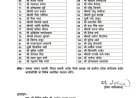
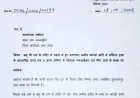
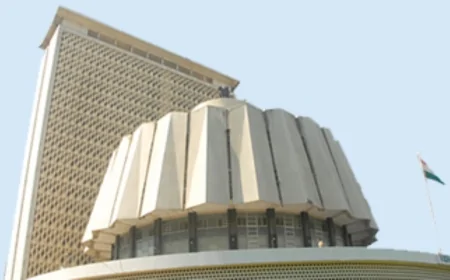
In June 2025, the Modi administration rejected the near-unanimous opposition demand for a special parliamentary session to discuss the Pahalgam terrorist attack and subsequent events, including Operation Sindoor. While not outright dismissing the call, the government sidestepped it by ignoring the opposition’s plea, rendering acceptance a non-starter. Instead, it announced the monsoon session dates—July 21 to August 12, 2025—on June 4, well over six weeks in advance, a move seen as a deliberate tactic to quash the special session demand. Typically, session dates are announced two to three weeks prior, leaving little doubt that this early declaration aimed to preempt focused scrutiny.
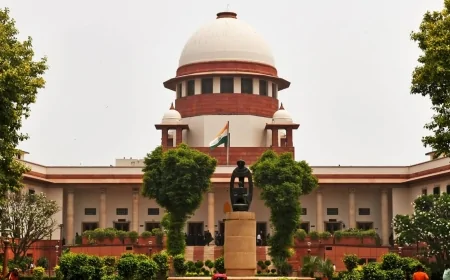
The government’s track record suggests it has resolved to block any targeted debate on Pahalgam and Operation Sindoor. By rejecting a special session and pushing the issue to the monsoon session, it seeks to bury the matter among routine parliamentary business, a strategy reminiscent of the stifled Manipur debate. At best, a general discussion may be permitted, likely delayed to the session’s end, culminating in a rhetorical speech by Prime Minister Modi. As with Manipur, where parliamentary intervention was rendered futile and President’s Rule was imposed long after debates, the government appears intent on shielding itself from accountability on Pahalgam.
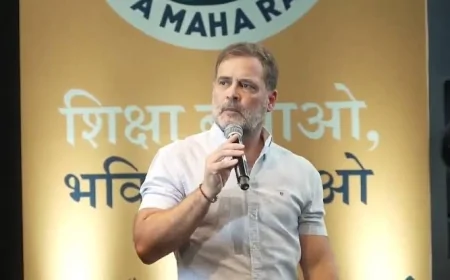
The motive is clear. Officially, no rationale has been offered, as the government deemed the opposition’s demand unworthy of acknowledgment. Unofficially, the ruling BJP’s spokespersons and troll army argue that the public—and by extension, the opposition—needs no further information beyond what the government has disclosed. This logic underpins efforts to dismiss questions, such as those raised by Lok Sabha Opposition Leader Rahul Gandhi about losses during the three-and-a-half-day Operation Sindoor, branding them as “Pakistan’s voice.” A month after the ceasefire, no official details on Indian losses, particularly aircraft, have been released. At most, senior military officials vaguely admit, “Losses happen in war.” Prime Minister Modi’s claim that “Operation Sindoor is paused, not ended,” serves as a convenient shield against accountability, maintaining a war-like posture to deflect scrutiny.
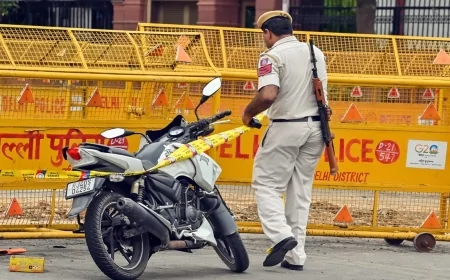
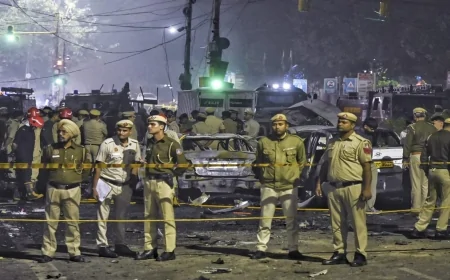
The unanswered questions are legion. Over six weeks since the Pahalgam massacre on April 22, 2025, which killed 26 civilians, no clarity exists on who was responsible for the security lapse or how the terrorists infiltrated and vanished. Beyond Pahalgam, Operation Sindoor—a retaliatory missile strike on nine terrorist camps in Pakistan and PoK—raises equally pressing concerns. The ceasefire, particularly the alleged role of U.S. President Donald Trump, who claimed a dozen times to have brokered it to avert nuclear conflict and used trade threats, remains unaddressed by Modi. This silence has fueled perceptions that the operation inadvertently drew in a powerful third party, complicating India-Pakistan dynamics and undermining India’s strategic autonomy.
The choice of military action itself is contentious. Modi’s declaration of such strikes as the “new normal” invites scrutiny. While initial efforts limited strikes to terrorist targets, informing Pakistan to avoid escalation, the assumption that Pakistan would tolerate cross-border action without retaliation proved flawed, leading to costly consequences.
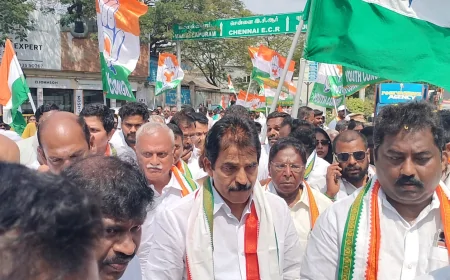
While Parliament is silenced until July, the BJP-RSS machinery is capitalizing on Operation Sindoor for electoral gains, targeting Bihar’s imminent assembly polls and upcoming elections in West Bengal, Assam, Tamil Nadu, and Kerala. Slogans like “Sindoor runs through our veins” sustain war fervor, even a month post-ceasefire. This campaign, waged while paralyzing Parliament, underscores the Modi regime’s authoritarian bent. It’s no surprise that the global community hesitates to stand with India against terrorism when the government’s commitment to secularism and democracy appears compromised.
What's Your Reaction?
 Like
0
Like
0
 Dislike
0
Dislike
0
 Love
0
Love
0
 Funny
0
Funny
0
 Angry
0
Angry
0
 Sad
0
Sad
0
 Wow
0
Wow
0