

























































KEEPING CLASSICAL MUSIC ALIVE IN ARA: THE LEGACY OF RANJEET BAHADUR SINGH AND GIRIRAJ KUMAR AGRAWAL
The city of Ara in Bihar’s Bhojpur district has long been a cradle of Indian classical music, largely due to the monumental contributions of the legendary pakhawaj maestro Babu Lalan Ji. His efforts transformed Ara into a cultural hub, earning it the title of a “pilgrimage site for musicians” from the Dagar Brothers. However, after Babu Lalan Ji’s tragic passing in 1961, the torch of preserving and promoting classical music in Ara was carried forward by two remarkable individuals: Ranjeet Bahadur Singh, a zamindar of the Chaugai estate and former Member of the Legislative Council (MLC), and Giriraj Kumar Agrawal, a national award-winning principal of Har Prasad Das Jain School. Despite lacking formal training in classical music, their passion and dedication ensured that Ara remained a vibrant center for this art form. This article explores their contributions, their unique approaches to fostering classical music, and the challenges faced by Ara’s musical heritage in their absence.

KEEPING CLASSICAL MUSIC ALIVE IN ARA: THE LEGACY OF RANJEET BAHADUR SINGH AND GIRIRAJ KUMAR AGRAWAL
27-JULY-ENG 2


RAJIV NAYAN AGRAWAL
ARA----------------------------The city of Ara in Bihar’s Bhojpur district has long been a cradle of Indian classical music, largely due to the monumental contributions of the legendary pakhawaj maestro Babu Lalan Ji. His efforts transformed Ara into a cultural hub, earning it the title of a “pilgrimage site for musicians” from the Dagar Brothers. However, after Babu Lalan Ji’s tragic passing in 1961, the torch of preserving and promoting classical music in Ara was carried forward by two remarkable individuals: Ranjeet Bahadur Singh, a zamindar of the Chaugai estate and former Member of the Legislative Council (MLC), and Giriraj Kumar Agrawal, a national award-winning principal of Har Prasad Das Jain School. Despite lacking formal training in classical music, their passion and dedication ensured that Ara remained a vibrant center for this art form. This article explores their contributions, their unique approaches to fostering classical music, and the challenges faced by Ara’s musical heritage in their absence.


The Legacy of Babu Lalan Ji: A Foundation for Classical Music
Babu Lalan Ji, born Shatrunjay Prasad Singh, was a towering figure in Indian classical music, whose mastery of the pakhawaj, tabla, and Kathak dance elevated Ara to national prominence. His Zamira Kothi became a sanctuary for musical education, and his organization of national-level music conferences brought luminaries like Pandit Siyaram Tiwari, Ustad Ahmed Jan Thirakwa, and Vidushi Girija Devi to Ara. His untimely death in a car accident in 1961 left a void in Ara’s cultural landscape, threatening the continuity of its classical music tradition. However, two individuals—Ranjeet Bahadur Singh and Giriraj Kumar Agrawal—stepped forward to ensure that Babu Lalan Ji’s legacy endured.
Ranjeet Bahadur Singh: The Patron of Classical Music
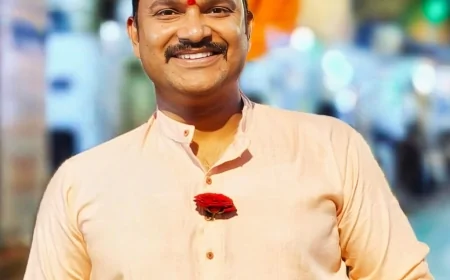
Ranjeet Bahadur Singh, a respected zamindar of the Chaugai estate and a former MLC, was a pivotal figure in sustaining Ara’s classical music heritage. Despite having no formal knowledge of classical music, his deep passion for the art form drove him to organize grand annual music festivals in Ara. These events, held with great pomp and splendor, attracted some of India’s most renowned musicians, including vocalists, instrumentalists, and dancers, who graced the stage with their performances. Ranjeet Bahadur Singh’s festivals were a testament to his commitment to preserving Ara’s cultural identity, continuing the tradition established by Babu Lalan Ji.
His ability to bring together celebrated artists from across India was remarkable, especially considering his lack of technical expertise in music. His zamindari stature lent authority to his endeavors, but it was his genuine love for classical music that inspired artists and audiences alike. These festivals not only provided a platform for established musicians but also fostered an appreciation for classical music among the people of Ara, ensuring that the city remained a vibrant cultural hub.
Ranjeet Bahadur Singh’s efforts mirrored Babu Lalan Ji’s vision of making Ara a center for artistic excellence. His annual events were eagerly anticipated, drawing large crowds and reinforcing the city’s reputation as a bastion of Indian classical music. His contribution was not just organizational; it was a cultural lifeline that kept Ara connected to the broader world of classical arts.
Giriraj Kumar Agrawal: A Devotee of Raag and Ragini
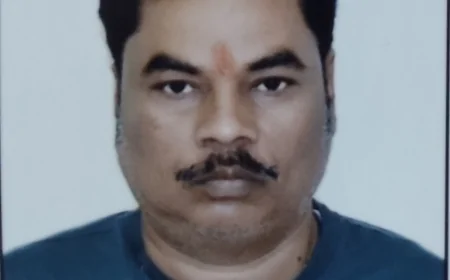
Giriraj Kumar Agrawal, the national award-winning principal of Har Prasad Das Jain School in Ara, was another stalwart who dedicated his life to promoting classical music. Like Ranjeet Bahadur Singh, Agrawal had no formal training in the technical aspects of classical music, yet his passion for the art form was unparalleled. Unlike Singh, however, Agrawal developed an intuitive understanding of raagas and raaginis, enabling him to recognize and appreciate the nuances of classical compositions. This unique ability set him apart as a connoisseur who could engage deeply with the music he championed.
Agrawal transformed his home in Ara into a monthly haven for classical music, hosting all-night concerts that attracted local and visiting artists. These intimate gatherings, held with unwavering regularity, became a cherished tradition in Ara, offering musicians a platform to showcase their talent in a warm, supportive environment. The events were marked by their sincerity and devotion to the art form, reflecting Agrawal’s heartfelt commitment to preserving classical music.
In addition to his monthly concerts, Agrawal organized grand musical programs on significant occasions such as Shri Krishna Janmashtami and Saraswati Puja. These large-scale events drew prominent artists from across India, including vocalists, instrumentalists, and dancers of national repute. The presence of such luminaries elevated the cultural stature of Ara, reinforcing its legacy as a center for classical arts. Agrawal’s home became a cultural hub, much like Babu Lalan Ji’s Zamira Kothi, where music was not just performed but celebrated as a divine expression.
A Shared Passion: The Driving Force Behind Their Efforts
What is particularly striking about Ranjeet Bahadur Singh and Giriraj Kumar Agrawal is that their contributions to classical music were driven by passion rather than expertise. Neither possessed formal training in the technicalities of raagas, taalas, or musical theory, yet their love for the art form was so profound that it inspired them to organize events of exceptional quality. Their efforts were a testament to the power of enthusiasm and dedication in sustaining cultural traditions.
For Ranjeet Bahadur Singh, his zamindari background provided the resources and influence needed to host large-scale festivals, but it was his genuine interest in classical music that made these events meaningful. For Giriraj Kumar Agrawal, his ability to recognize raagas and his role as an educator lent a unique depth to his initiatives. His monthly concerts and grand festivals were imbued with a sense of reverence, reflecting his belief in the transformative power of music.
Together, Singh and Agrawal ensured that Ara remained a vibrant center for classical music in the decades following Babu Lalan Ji’s passing. Their complementary efforts—Singh’s large-scale festivals and Agrawal’s intimate gatherings—created a rich cultural ecosystem that nurtured artists and audiences alike.
The Decline of Classical Music in Ara
Tragically, the passing of Ranjeet Bahadur Singh and Giriraj Kumar Agrawal marked a turning point for Ara’s classical music scene. In their absence, the organization of large-scale classical music events has significantly dwindled. The grand festivals that once drew national artists to Ara have become rare, and the monthly concerts at Agrawal’s home have ceased. This decline is particularly poignant given the passion and effort that both individuals invested in keeping the tradition alive.
The cessation of these events has left a void in Ara’s cultural landscape, raising concerns about the future of classical music in the city. While smaller gatherings and individual efforts continue, the scale and impact of Singh’s and Agrawal’s programs remain unmatched. The absence of such dedicated patrons has highlighted the challenges of sustaining classical music in an era dominated by modern entertainment forms.
A Call to Revive Ara’s Musical Heritage
The legacy of Babu Lalan Ji, Ranjeet Bahadur Singh, and Giriraj Kumar Agrawal serves as a reminder of Ara’s rich musical heritage and its potential to reclaim its status as a cultural hub. Their efforts demonstrate that passion and commitment can overcome the lack of formal training, inspiring others to carry forward the tradition. The city’s history as “Chhoti Kashi” and a pilgrimage site for musicians, as declared by the Dagar Brothers, underscores its unique place in Indian classical music.
To revive Ara’s classical music scene, there is a need for new patrons, institutions, and community initiatives that can replicate the scale and spirit of Singh’s and Agrawal’s programs. Local schools, cultural organizations, and government bodies could play a pivotal role in organizing music festivals, workshops, and educational programs to nurture young talent and rekindle public interest. The establishment of a dedicated cultural center, perhaps inspired by Zamira Kothi, could serve as a focal point for these efforts, ensuring that Ara’s musical legacy endures.
An Enduring Inspiration
Ranjeet Bahadur Singh and Giriraj Kumar Agrawal were not musicians by training, yet their contributions to classical music in Ara were nothing short of extraordinary. Their passion, dedication, and vision kept the flame of Babu Lalan Ji’s legacy burning, ensuring that Ara remained a vibrant center for Indian classical music. Singh’s grand festivals and Agrawal’s intimate concerts created a cultural ecosystem that nurtured artists and enriched the community, leaving an indelible mark on Bhojpur’s heritage.
As we reflect on their contributions on July 27, 2025, we are reminded of the power of passion to transcend barriers and sustain traditions. The decline of large-scale classical music events in Ara is a challenge, but it is also an opportunity for new generations to step forward and revive this sacred art form. The legacy of Babu Lalan Ji, Ranjeet Bahadur Singh, and Giriraj Kumar Agrawal continues to inspire, calling on us to ensure that Ara remains a pilgrimage site for musicians and a beacon of cultural excellence.
What's Your Reaction?
 Like
0
Like
0
 Dislike
0
Dislike
0
 Love
0
Love
0
 Funny
0
Funny
0
 Angry
0
Angry
0
 Sad
0
Sad
0
 Wow
0
Wow
0