






































































INDIA IS A LAND OF ENDLESS POSSIBILITIES FOR GLOBAL TOURISTS
World Tourism Day – September 27, 2025 – reminds us that tourism is not merely a means of recreation, but a cornerstone of any nation's economic, social, and cultural progress.

INDIA IS A LAND OF ENDLESS POSSIBILITIES FOR GLOBAL TOURISTS
27-SEP-ENG 26


RAJIV NAYAN AGRAWAL
ARA-------------------------World Tourism Day – September 27, 2025 – reminds us that tourism is not merely a means of recreation, but a cornerstone of any nation's economic, social, and cultural progress. This year's theme, which is being described in some sources as "Tourism and Green Investment" or "Tourism and Sustainable Change," aims to promote tourism with sustainability and inclusivity. This theme emphasizes the urgent need for green investment for sustainable tourism, which benefits both communities and the planet. Through this, global cooperation and sustainable practices in tourism will be promoted, including green investment, renewable energy, and reducing environmental impact. Celebrating this day is important to reflect on India's tourism potential. The tourism potential in a diverse country like India is endless. From the snow-capped peaks of the Himalayas to the beaches of Goa and the Andaman Islands, from the spiritual aura of Kashi and Bodh Gaya to the devotion of Ajmer and Pushkar, from the backwaters of Kerala to the deserts of Rajasthan, every experience is unique. This is why India's tourism industry is soaring and establishing itself on the global map.


World Tourism Day not only invites travel to the world's major tourist destinations, but India's diversity and multiculturalism make it a special attraction for tourists worldwide. This also highlights the importance of tourism in bringing joy and smiles to life. Initiatives to promote the tourism sector to enhance economic development and cultural diplomacy have evolved over time, focusing on new initiatives, policy reforms, and celebrating the sector's achievements. Its aim is to empower global communities by creating jobs, strengthening global humanity, fostering a conflict-free environment, diverse global cultural heritage, and promoting digital transformation.
The economic impact of tourism in India is immense. It contributes significantly to India's GDP and has become a major source of employment for millions of people. Tourism's influence is reaching villages and towns, giving local handicrafts, folk art, and cuisine international recognition. Foreign tourists are not only captivated by our culture and spirituality. Tourism's social impact is also significant. It serves as a medium for cultural exchange, fostering harmony and brotherhood among different religions, languages, and traditions. Tourism has given a new dimension to women's empowerment and youth entrepreneurship. The active participation of women and youth in homestays, guiding, handicrafts, and folk arts is strengthening the rural economy. Furthermore, rural tourism has provided new development opportunities for villages and has shown potential to reduce migration.
Tourism also strengthens India's soft power from a political and international perspective. Campaigns like "Incredible India" and "Dekho Apna Desh" have further deepened India's global recognition. In recent years, India has showcased the grandeur and cultural heritage of its tourist destinations to the world through events like the G-20, which not only boosted political confidence but also expanded India's cultural power. Plans for Buddhist and spiritual circuits with neighboring countries have helped establish India as the spiritual center of Asia. Prime Minister Narendra Modi has pledged to make tourism India's strength. He has transformed tourism into a mass movement through initiatives like the "Bharat Jodo Yatra," the "Dekho Apna Desh" campaign, and "Project Spiritual Circuit." His efforts to popularize yoga and Ayurveda worldwide have made India a major hub for health and wellness tourism. The Modi government's initiatives, including smart city projects, airport expansion, the Chardham project, high-speed rail, and the "Bharatmala" initiative, are adding new amenities to tourism. The Prime Minister believes that every village and city in India is a unique tourist destination and its story should be shared with the world. Today, as digitalization has reshaped tourism, online ticketing, virtual tours, and AI-based travel guidance have brought tourism into the modern age. An emphasis on sustainable tourism is ensuring the protection of both nature and culture. Millennials and the new generation are increasingly drawn to experience-based and adventure tourism, and India is moving forward to capitalize on this opportunity.
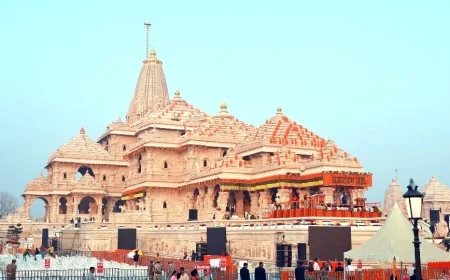
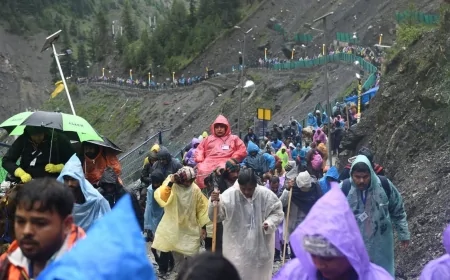
India is poised to become the fifth-largest travel and tourism market globally. The tourism sector in India is growing rapidly and is expected to become the third-largest domestic market by 2027. In 2023, tourism expenditure in India increased from $127 billion in 2019 to $174 billion. Five states, including Tamil Nadu, Uttar Pradesh, Andhra Pradesh, Karnataka, and Maharashtra, accounted for the highest number of tourists, accounting for 65 percent of the total. Prime Minister Narendra Modi's vision has given new wings to religious tourism. The construction of the Lord Shri Ram temple in Ayodhya and the Maha Kumbh Mela in Prayagraj have set new records in religious tourism. Religious tourism plays an important role in economic development and cultural exchange. Exploring the potential of religious tourism To maximize their benefits, all such destinations are being provided with excellent infrastructure, road and air connectivity, and visitor safety and service.
India is a land of countless tourist experiences and fascinating destinations. Whether it's magnificent monuments, ancient temples and tombs, rivers, waterfalls, and natural wonders, its vibrant colors and rich cultural heritage are inextricably linked with its technology-driven present. Places like Kerala, Shimla, Goa, Agra, Rajasthan, Madhya Pradesh, Mathura, and Kashi are always in the news for their foreign tourists. Recently, Prime Minister Narendra Modi's transformation of Ayodhya and Kashi has attracted tourists from all over the world. Millions of foreigners, along with their own people, visit India every year. India has immense tourism potential. There are beautiful destinations for all types of tourists, whether they are on an adventure trip, a cultural tour, a pilgrimage, or a trip to the beautiful beaches. People spend months touring Delhi, Mumbai, Rajasthan, Madhya Pradesh, Uttar Pradesh, and many states in South India.
India is considered one of the world's leading tourist destinations due to its rich cultural, historical, and natural heritage. Each state has unique and extraordinary characteristics that attract tourists. Traveling to India holds a special appeal for tourists seeking tranquility, magic, beauty, and adventure. For these tourists, India has produced a wealth of travel literature with a unique identity and value. Pukhraj Sethia's book, "Aao Ghume Apna Desh," is a meaningful and useful book. World Tourism Day gives us the message that India has infinite splendor and diversity to showcase to the world. If we develop tourism while keeping environmental protection, modern facilities, and global standards in mind, India will not only become a tourism powerhouse but will also lead the world with its spiritual heritage and cultural heritage.
What's Your Reaction?
 Like
0
Like
0
 Dislike
0
Dislike
0
 Love
0
Love
0
 Funny
0
Funny
0
 Angry
0
Angry
0
 Sad
0
Sad
0
 Wow
0
Wow
0