









































































































THE DANGER OF ATTRACTIVEE ALCOHOL PACKAGING AND THE SC’S CONCERNS: LALIT GARG
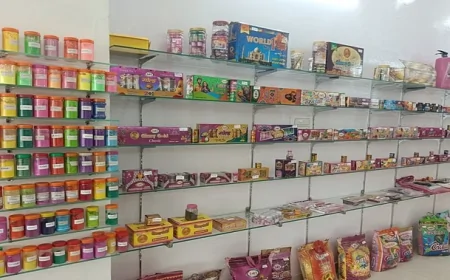
The recent serious remarks made by the country's apex court regarding alcohol packaging are not merely a legal intervention but a warning that should shake social consciousness. The court clearly stated that presenting alcohol in such an attractive and alluring manner is tampering with public health, as well as with culture and society. Shiny bottles, foreign designs, bright colors, and glamorous boxes – all these strategies have become tools to attract people, especially young people and women, to alcohol. This deceptive and market-driven packaging of alcohol is a serious and new threat. This trend is not just about market expansion but a profound attack on the health, morality, and mental balance of the entire society. The obstinate mindset and misleading packaging of alcohol companies, which are playing with public health, constitute a criminal act. Alcohol being sold in Tetra Pak containers that resemble juice packs invites numerous dangers.

THE DANGER OF ATTRACTIVEE ALCOHOL PACKAGING AND THE SC’S CONCERNS: LALIT GARG
24-JAN-ENG 16


RAJIV NAYAN AGRAWAL
ARA-----------------------------The recent serious remarks made by the country's apex court regarding alcohol packaging are not merely a legal intervention but a warning that should shake social consciousness. The court clearly stated that presenting alcohol in such an attractive and alluring manner is tampering with public health, as well as with culture and society. Shiny bottles, foreign designs, bright colors, and glamorous boxes – all these strategies have become tools to attract people, especially young people and women, to alcohol. This deceptive and market-driven packaging of alcohol is a serious and new threat. This trend is not just about market expansion but a profound attack on the health, morality, and mental balance of the entire society. The obstinate mindset and misleading packaging of alcohol companies, which are playing with public health, constitute a criminal act. Alcohol being sold in Tetra Pak containers that resemble juice packs invites numerous dangers.


Today, when the country is grappling with problems like diseases, accidents, violence, family disintegration, and mental depression caused by alcohol, selling alcohol by making it "fashionable" becomes a huge threat. Alcohol companies have linked packaging to modernity, prestige, and style, leading young people to perceive it as an achievement. Socially and psychologically, this packaging creates the illusion in people's minds that drinking alcohol is a symbol of modernity, while the reality is that alcohol in every form is a deadly poison for the body and mind. The fatal and harmful effects of alcohol are no secret. It gradually hollows out the body from within and pushes people into the blind alleys of addiction. Liver cirrhosis, heart disease, high blood pressure, cancer, mental imbalance, depression, and serious sleep problems are direct consequences of alcohol consumption. Thousands of people who die in road accidents lose their lives due to drunk driving. The role of alcohol in domestic violence, crime, and family breakdowns has long been proven. In this context, serving alcohol in attractive packaging is tantamount to sending people down the path of self-destruction.
The Supreme Court has therefore expressed concern that the packaging of liquor bottles should not be such that it distracts the consumer from its real harms. Warnings are often placed on the side of the bottle in such a way that they are not visible. Companies prioritize the aesthetics of their product by concealing health warnings. This is not only unethical but also against the very spirit of health policies. When the government has mandated large and prominent warnings on tobacco products, similar stringent rules should be applied to the packaging of alcohol, whose health effects are equally devastating in many cases. A major reason for the increasing acceptance of alcohol in society is that the liquor industry has turned packaging itself into an attractive advertising medium. Where there is a legal ban on alcohol advertising, companies use colorful bottles and beautiful boxes as a means of promotion. This is indirect advertising, which violates the spirit of the law and leads young people towards addiction. In such a situation, it is essential to move towards plain, simple, and generic packaging so that alcohol does not appear as a "luxury product," but rather its appearance itself serves as a warning to people.
It is also worrying that the sole objective of the liquor industry is to increase sales, regardless of how much it affects society. They do not consider how many homes are being ruined by alcohol, how many people are falling ill, and how many lives are at risk. Legal action against this mindset is absolutely necessary. Banning glamorous packaging of alcohol will not only increase awareness among consumers but will also create a significant environment in society towards de-addiction. Alcohol is a major source of revenue for governments, which is why governments do not openly take a stand against alcohol. This warning from the Supreme Court should be seen as an important message not only for the industries but also for the government, society, and families. Alcohol in any form is harmful to health, and selling it by making it attractive is devaluing human life. Today, there is a need to regulate alcohol packaging, make it plain and unattractive, include clear warnings, and curb trends that give alcohol a respectable place in society. The government should also prioritize public health and enact laws that limit the marketing tactics of the alcohol industry.
Today, the spread of alcohol is not only a health crisis but also a major cause of social and cultural disintegration. There has been an alarming increase in alcohol-related crimes and incidents of violence, with alcohol becoming a major factor in atrocities against women, domestic violence, economic exploitation, and mental abuse. Numerous studies show that alcohol plays a significant role in nearly half of all violent incidents against women. Drunk men often commit atrocities against women due to family stress, anger, and imbalance, which not only shatters the women's self-esteem but also forces the entire family to live in an atmosphere of fear, insecurity, and humiliation. This impact of alcohol is not limited to any one class but has spread from rural to urban areas, from the poor to the wealthy, and it is no longer possible for society to ignore it.
Another cause for concern is that alcohol is no longer confined to bars or nightclubs but has become prevalent at social occasions—weddings, birthdays, office parties, etc. Alcohol is now being served at parties, festivals, and even small social gatherings. The way alcohol is being promoted as "a part of social life" and "a symbol of modernity" is indicative of a dangerous cultural shift. In families, the younger generation, seeing their elders consume alcohol, has begun to consider it normal, leading to the initiation of alcohol consumption at a young age. School and college students are falling into alcohol addiction under the influence of fashion, peer pressure, imitation of friends, and the impact of advertising and packaging. This generation is becoming weaker both mentally and physically. Alcohol not only destroys their studies, careers, and cognitive abilities, but also shakes the very foundation of future families and society. The solution to these growing concerns is not solely through legislation, but through social awareness, cultural restraint, and responsible behavior within families.
Society can only be safe when we consider alcohol a symbol of destruction, not attraction; when its packaging reflects warnings, not glamour; and when its consumption is understood as a sign of weakness, not modernity. This awareness will only increase when laws are stricter and society is more vigilant. The Supreme Court's warning is a serious step in this direction, and now it is the responsibility of the government and society to translate it into real reform.
What's Your Reaction?
 Like
0
Like
0
 Dislike
0
Dislike
0
 Love
0
Love
0
 Funny
0
Funny
0
 Angry
0
Angry
0
 Sad
0
Sad
0
 Wow
0
Wow
0