
LALU PRASAD ELEVATED THE DIGNITY OF FOLK ARTISTS: BHAI DINESH
-'Launda Naach' is not merely a form of entertainment; it represents a rich folk culture rooted in the rural heartland of Bihar. It is an art form that, for centuries, has woven the joys, sorrows, struggles, and social fabric of rural life into its rhythms. Although a significant section of modern urban society has viewed it through a narrow lens, the reality is that 25–30 years ago, it was an integral part of rural life. Padma Shri Bhikhari Thakur, often hailed as the 'Shakespeare of Bhojpuri,' was the pioneer and cornerstone of this folk art. Recognizing the significance of this art form, former Bihar Chief Minister Lalu Prasad Yadav not only provided it with a platform but also transformed it into a powerful tool of his politics.
LALU PRASAD ELEVATED THE DIGNITY OF FOLK ARTISTS: BHAI DINESH
14-JUNE-ENG 17


RAJIV NAYAN AGRAWAL
ARA-------------------------'Launda Naach' is not merely a form of entertainment; it represents a rich folk culture rooted in the rural heartland of Bihar. It is an art form that, for centuries, has woven the joys, sorrows, struggles, and social fabric of rural life into its rhythms. Although a significant section of modern urban society has viewed it through a narrow lens, the reality is that 25–30 years ago, it was an integral part of rural life. Padma Shri Bhikhari Thakur, often hailed as the 'Shakespeare of Bhojpuri,' was the pioneer and cornerstone of this folk art. Recognizing the significance of this art form, former Bihar Chief Minister Lalu Prasad Yadav not only provided it with a platform but also transformed it into a powerful tool of his politics.
'Launda Naach' was the most significant and accessible source of entertainment for villagers. Lalu Prasad Yadav spent his childhood in Phulwariya village, Gopalganj, where he experienced this culture intimately. In those days, avenues for rural entertainment were extremely limited. Whether it was the 'Chaita Dugola' performed during the month of Chaitra or the 'Naach' (dance performance) held during weddings, these events served as the focal points of celebration for villagers. At that time, the world of dance was divided into two categories based on economics.
On one side was the 'Baiji ka Naach,' featuring female dancers whose fees were exorbitant—affordable only for affluent families. On the other side was 'Launda Naach,' in which men would don female attire and impersonate women. Being economically affordable, it became the primary medium of entertainment for the common villager. The type of dance performance accompanying a wedding procession often served as a yardstick to gauge the family's social and economic standing. Lalu Prasad Yadav recognized the power of this connection and dialogue with the masses. He fully understood that *Launda Naach* was not merely a dance form but a platform where people from various villages gathered, interacted, and fostered social harmony. Lalu made this indigenous culture—along with his signature style of Bhojpuri-infused Hindi—the very grammar of his politics. He realized that to reach the hearts of the poor, Dalits, and backward classes, he had to connect with their culture. He presented himself as a patron of folk art, a persona starkly different from the elitist, "suit-and-boot" style of politics.
This move by Lalu Prasad Yadav proved to be a massive hit in the political arena. By organizing *Launda Naach* at the Chief Minister's residence—a seat of supreme power—he accorded the art form new respect and patronage. This decision deeply resonated with the segment of society that felt marginalized in mainstream politics. Honoring Ramchandra Manjhi—a renowned artist and associate of Bhikhari Thakur—on the election stage during the 1995 Assembly elections was part of this very strategy. When Lalu invited Ramchandra Manjhi onto the stage and offered him a seat, it created a positive impact on voters from the backward and Dalit communities; they saw it as a vindication against the humiliation they had faced. ..and began to view it as a restoration of dignity.
Lalu Prasad Yadav’s affinity for *Launda Naach* was not merely a token gesture. He personally connected with the artists and cared about their well-being. A testament to this is the fact that he even provided a government job—based on merit—to a highly talented and educated *Launda Naach* artist who had performed at the Chief Minister's residence. This seemingly minor incident actually signaled a significant cultural shift, wherein the state establishment viewed a folk artist with respect.
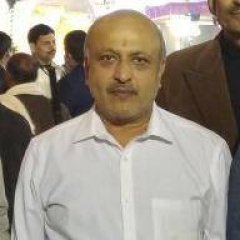
Former MLA Bhai Dinesh remarked that Lalu Ji’s perspective on *Launda Naach* was a reflection of his political foresight. He did not merely see this folk art as a form of entertainment; rather, he linked it to the voice and identity of the poor. While opinions on this art form may vary in today’s modern era, history bears witness to the fact that the former Chief Minister not only extended government patronage to it but also accorded folk artists the dignity they had long craved.
What's Your Reaction?
 Like
0
Like
0
 Dislike
0
Dislike
0
 Love
0
Love
0
 Funny
0
Funny
0
 Wow
0
Wow
0
 Sad
0
Sad
0
 Angry
0
Angry
0






Comments (0)