
RELIES OF BOATS FOLLOWING PONTOON BRIDTGE CLOSURE
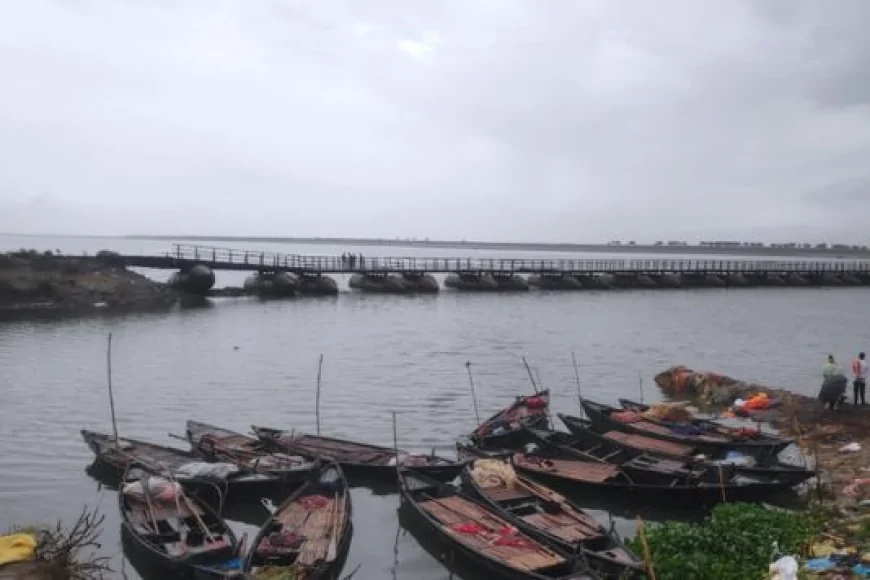
The crucial pontoon bridge connecting Bihar and Uttar Pradesh at the Mahuli Ganga river ghat in Bhojpur district was dismantled on Monday. Its removal immediately impacted the daily commute of thousands of people who relied on this route to travel between Ballia (UP) and various parts of North Bihar. With the bridge gone, people must now rely on boats to cross the Ganges; meanwhile, the suspension of small-vehicle operations forces a large number of travelers and drivers to take the much longer route via the Buxar or Babura bridges. This not only consumes more time but also increases costs related to fuel, fares, and other expenses.

RELIES OF BOATS FOLLOWING PONTOON BRIDTGE CLOSURE
14-JULY-ENG 4


RAJIV NAYAN AGRAWAL
ARA------------------------The crucial pontoon bridge connecting Bihar and Uttar Pradesh at the Mahuli Ganga river ghat in Bhojpur district was dismantled on Monday. Its removal immediately impacted the daily commute of thousands of people who relied on this route to travel between Ballia (UP) and various parts of North Bihar. With the bridge gone, people must now rely on boats to cross the Ganges; meanwhile, the suspension of small-vehicle operations forces a large number of travelers and drivers to take the much longer route via the Buxar or Babura bridges. This not only consumes more time but also increases costs related to fuel, fares, and other expenses.
For local residents, the Mahuli Ghat pontoon bridge was more than just a temporary crossing; it was a vital link for their daily needs. It allowed people from Barhara, Ara, and surrounding rural areas in Bhojpur to easily reach Ballia in Uttar Pradesh, while facilitating travel from Ballia and adjacent regions into Bihar. When the pontoon bridge was operational, it shortened travel distances and ensured a fast, accessible, and affordable connection between the two banks of the Ganges. Locals note that the bridge used to turn a journey taking hours into one lasting mere minutes, but that same trip has now become arduous and uncertain.
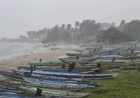
The primary challenge following the bridge's removal is that travelers must now cross the Ganges by boat. Commuters often face long waits at the ghat, and when crowds swell, they are compelled to wait for their turn. The situation is even more difficult for those carrying vehicles—such as motorcycles, bicycles, or other small modes of transport. According to locals, travelers heading towards Ballia or North Bihar now face only two options: either cross the Ganges by boat or take a long detour by road to reach distant bridges. Those opting for the boat face increased risk and inconvenience, while those traveling by road experience a manifold increase in travel time. Commuters, small traders, farmers, daily wage laborers, and the business community are facing the greatest hardship. Tasks that previously required little time for commuting now demand significantly more time.
Reportedly, construction of the Mahuli pontoon bridge began in November, and operations for light vehicles commenced in December. Its opening brought relief to nearby villages, as residents had long awaited this temporary bridge and viewed it as a major convenience. Villagers describe the bridge as nothing short of a boon for crossing the Ganges, as it greatly facilitated access to markets, hospitals, and educational institutions, as well as the completion of official tasks. Many families have relatives living on the banks in both states; the bridge made social visits, participation in events, and maintaining contact much easier.
The pontoon bridge also benefits the regional economy. It boosts footfall in local markets, makes it easier for farmers to transport produce to the opposite bank, and improves access to customers and supply chains for small traders. While some people travel to Ballia daily for shopping or business, many traders bring goods into Bihar. The closure of the bridge is bound to have an adverse impact on these activities.
Locals also noted that the pontoon bridge is dismantled every year during the monsoon season due to the rising water levels of the Ganges. This is considered a standard procedure because the flow of the Ganges intensifies during the monsoon season; as water levels rise, the river's pressure poses a risk of damage to the bridge or potential accidents. Dismantling the bridge is essential for safety reasons to prevent major mishaps amidst the strong currents and rising waters.
Villagers have now urged the administration to improve boat operations to ensure a hassle-free experience for commuters. They emphasize the need for an adequate number of boats at the ghat, scheduled operations, crowd management, and a focus on passenger convenience. Many also called for a transparent ticketing or fare system to prevent arbitrary overcharging. Furthermore, basic amenities such as shade, seating areas, drinking water, and first-aid facilities are crucial at the ghat, as passengers often have to wait for long periods for a boat.
The removal of the pontoon bridge has heightened concerns, particularly for students, patients, and small traders. Students need to reach schools and coaching classes on time, but the uncertainty surrounding boat services could disrupt their studies. For patients and their families, time is of the essence; delays caused by waiting for a boat and crossing the river can increase health risks when urgent medical attention is required. The situation is also difficult for small traders, who often lack large vehicles or the financial means to bear extra costs, making the alternative of taking a long detour via distant bridges economically unviable.
Many villagers have expressed concern about the risks associated with boat travel during the monsoon. Navigating the river amidst strong winds, rain, rising water levels, and powerful currents is not considered safe... Risks arise when crowds are large and safety standards are not properly observed. People report that boats are often overloaded beyond their capacity, increasing the risk of accidents. Therefore, the administration needs to establish clear regulations for boat operations, provide life jackets, verify the credentials of boatmen, and ensure regular monitoring. The deployment of security personnel at the ghat, the installation of warning signs, and arrangements for immediate assistance during emergencies are also considered essential.
It is worth noting that the pontoon bridge at Mahuli Ganga Ghat has been a vital link for travel between Bhojpur and Uttar Pradesh. The bridge maintained a direct connection for the residents of the Barhara area with various parts of Uttar Pradesh, including Ballia. This connection went beyond mere passenger travel, linking social, educational, and economic activities. Many people relied on this route for employment, business, medical treatment, visiting relatives, and meeting daily needs. Now that the bridge has been removed, they are forced to rely on older routes and boats—options that are neither as convenient nor as reliable.
What's Your Reaction?
 Like
0
 Dislike
0
 Love
0
 Funny
0
 Wow
0
 Sad
0
 Angry
0







Comments (0)