
CORRUPTION AND ADMINISTRATIVE APATHY: THE GREATEST OBSTACLES—BHAI DINESH
Today, the most pressing question is this: In a state where a significant portion of the administrative machinery is plagued by allegations of corruption—where "fixing" and collusion, rather than transparency, dominate the tendering process; and where estimates for development projects are inflated to many times their actual cost—how can the interests of the common people be safeguarded, and how can the holistic development of the state ever be realized?

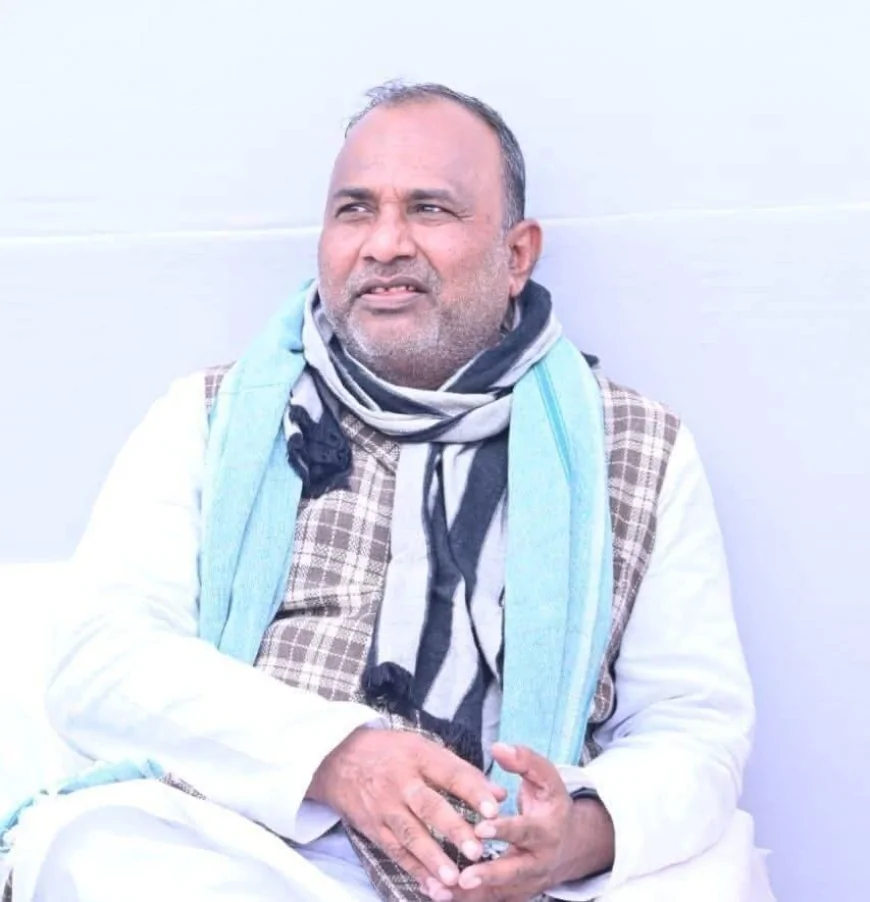
CORRUPTION AND ADMINISTRATIVE APATHY: THE GREATEST OBSTACLES—BHAI DINESH
2-JUNE-ENG 1


RAJIV NAYAN AGRAWAL
ARA--------------------------Today, the most pressing question is this: In a state where a significant portion of the administrative machinery is plagued by allegations of corruption—where "fixing" and collusion, rather than transparency, dominate the tendering process; and where estimates for development projects are inflated to many times their actual cost—how can the interests of the common people be safeguarded, and how can the holistic development of the state ever be realized?
When officials occupying high-ranking positions—including university Vice-Chancellors, heads of educational institutions, Secretary-level officers, and others holding positions of responsibility—abdicate their accountability, public trust in the system begins to erode. The failure to adhere to prescribed standards for ensuring the quality of development works is a matter of grave concern. In numerous schemes, even after the work has been completed, no impartial or technical audit is conducted; this fosters an environment conducive to corruption and irregularities.
If decisions within the state are driven not by merit or the public interest, but rather by malice, favoritism, and a mindset of political vendetta, it creates an atmosphere of discontent and mistrust within society. The fundamental duty of the administration is to function with impartiality and justice, not to adopt a discriminatory attitude toward any specific individual or group.
The situation becomes most alarming when the very system designed to provide security leaves the public feeling vulnerable and unsafe. The primary objective of law and order is to instill confidence in citizens, not fear. If ordinary citizens are compelled to make endless rounds of government offices to resolve their grievances, and if a culture emerges where work can only be accomplished through the mediation of middlemen, it signals a grave threat to the democratic governance structure.
The development of any state is not achieved merely through grand announcements, impressive buildings, or ambitious schemes; rather, it is built upon an honest administration, a transparent system, high-quality execution of works, accountability, and public trust. There is an urgent need to take stringent action against corruption, to ensure complete transparency in the tendering process, to guarantee independent quality audits of development projects, and to effectively curb the entrenched network of middlemen. Only if the government and the administration accord the highest priority to public interest, transparency, and accountability can the state advance towards development, good governance, and social justice. Otherwise, the roots of corruption and disorder will continue to relentlessly undermine the dreams of the people and the future of the state.
What's Your Reaction?
 Like
0
Like
0
 Dislike
0
Dislike
0
 Love
0
Love
0
 Funny
0
Funny
0
 Wow
0
Wow
0
 Sad
0
Sad
0
 Angry
0
Angry
0











Comments (0)