
TIRANGA IS EMBLEM OF AN ALL-ENCOMPASSING IDENTITY AND THE PRIDE AND HONOUR OF INDIA
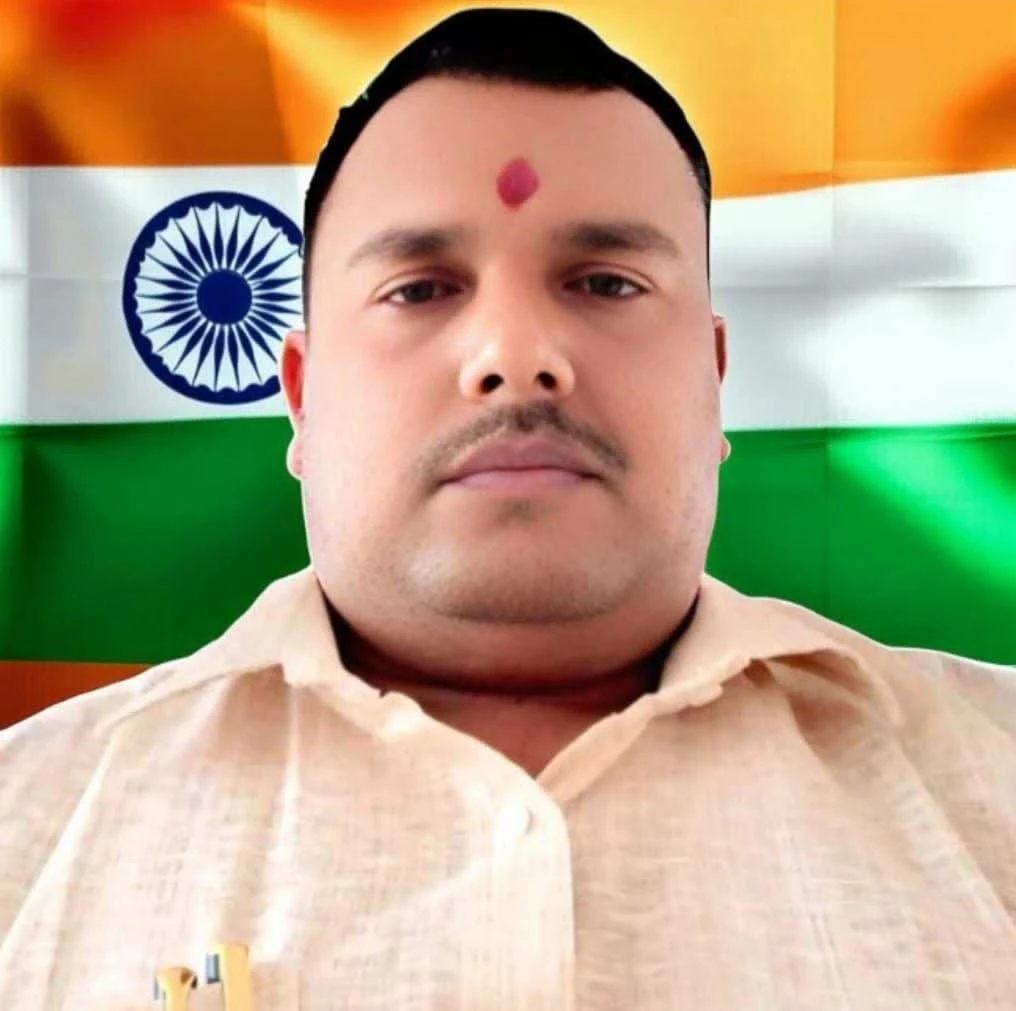
Speaking on the 'Har Ghar Tiranga' (Tiranga in every home) campaign, Sunil Kumar—a litterateur and the Rohtas district coordinator for 'Kashi Kavya Sangam'—observes that for any sovereign nation, the national flag is far more than a mere piece of cloth or a visual arrangement of colors. It serves as a living, dynamic manifesto embodying the nation's past struggles, present endeavors, and grand aspirations for the future. India's national flag, the 'Tiranga' (Tricolour), is the tangible embodiment of the Indian Republic's soul, its cultural diversity, and its integrity. The composition—featuring three parallel bands of saffron, white, and green, with the blue 'Ashoka Chakra' (bearing 24 spokes) adorning the center—does not merely delineate the country's geographical boundaries; it also encapsulates the social, economic, spiritual, and scientific outlook of every Indian citizen. Mass movements like 'Har Ghar Tiranga' have transcended the confines of official protocol, connecting the flag intimately with the homes, hearts, and daily lives of the people.

TIRANGA IS EMBLEM OF AN ALL-ENCOMPASSING IDENTITY AND THE PRIDE AND HONOUR OF INDIA
12-AUG-ENG 3


RAJIV NAYAN AGRAWAL
SASARAM-------------------------Speaking on the 'Har Ghar Tiranga' (Tiranga in every home) campaign, Sunil Kumar—a litterateur and the Rohtas district coordinator for 'Kashi Kavya Sangam'—observes that for any sovereign nation, the national flag is far more than a mere piece of cloth or a visual arrangement of colors. It serves as a living, dynamic manifesto embodying the nation's past struggles, present endeavors, and grand aspirations for the future. India's national flag, the 'Tiranga' (Tricolour), is the tangible embodiment of the Indian Republic's soul, its cultural diversity, and its integrity. The composition—featuring three parallel bands of saffron, white, and green, with the blue 'Ashoka Chakra' (bearing 24 spokes) adorning the center—does not merely delineate the country's geographical boundaries; it also encapsulates the social, economic, spiritual, and scientific outlook of every Indian citizen. Mass movements like 'Har Ghar Tiranga' have transcended the confines of official protocol, connecting the flag intimately with the homes, hearts, and daily lives of the people.
The saffron (bhagwa) band at the top of the Tiranga signifies India's spirit of selfless service, courage, sacrifice, and valor. This color reminds us that the gift of freedom was won through countless sacrifices. It represents the indomitable courage of soldiers guarding the borders, the dedication of social reformers, and the industrious energy of every citizen engaged in nation-building. The central white band reflects India's fundamental ethos: peace, truth, non-violence, and purity. For ages, India has conveyed the message of "Vasudhaiva Kutumbakam" (the entire earth is one family) to the world; the white color embodies this universal peace and inner spiritual purity. It conveys a message of transparency and impartiality in thought, expression, and conduct. The bottom green band symbolizes India's fertile land, rich agricultural heritage, natural wealth, and flourishing crops. This color directly represents the hard work of the nation's farmers, our food security, environmental balance, the purity of water sources, and the greenery of our forests. Green is the foundation of life, renewal, and economic prosperity.
The blue 'Ashoka Chakra' in the center of the flag is derived from Emperor Ashoka's Lion Capital at Sarnath. This blue wheel evokes the boundless depth and expanse of the ocean and the sky. Its 24 spokes represent the 24 hours of the day, conveying the message that life is about movement, while stagnation signifies death. The Chakra inspires our society to constantly advance towards education, rationality, science, and progressive thinking.
A nuanced analysis of the Tricolour reveals that it touches upon every aspect of life—from the basic needs of the common citizen to the supreme consciousness of the nation:
The national flag is not merely a symbol of abstract sentiments; it embodies a resolve to create a system where every citizen has access to safe housing, dignified clothing, nutritious food, and quality healthcare. Only when the nation is empowered will these basic necessities reach every individual.
The Tricolour reminds us that our land, rivers (water), clean skies, and lush greenery constitute our true wealth. Preserving them is not just an environmental obligation but a form of patriotism. The flag guides us along the path of knowledge and scientific advancement. While education and science make our material lives easier and more modern, our ancient spirituality shapes our character and moral values. The foundation of a robust society rests upon farmers toiling in the fields and citizens working honestly in their respective domains. A united and conscious society paves the way for the creation of an indivisible and powerful nation. Launched during the 'Azadi Ka Amrit Mahotsav' (celebrations marking 75 years of independence), the 'Har Ghar Tiranga' campaign has emerged as the largest mass movement in India's modern history. For a long time after independence, the hoisting of the national flag by ordinary citizens was restricted by strict regulations. The primary objective of this campaign was to enable every citizen to establish a personal and emotional bond with the Tricolour by hoisting it at their homes. When a citizen personally hoists the flag on their rooftop, it evokes not only a sense of pride but also an awareness of civic duties towards the nation—such as maintaining cleanliness, obeying the law, and protecting public property. Rising above barriers of caste, religion, language, region, and economic disparity, this campaign unites the entire nation under a single identity and a single flag. To facilitate greater citizen participation, the 'Flag Code of India' was amended; flags made of polyester, cotton, wool, or silk were approved, and permission was granted to keep them hoisted at homes even at night. The production of millions of Tricolours generated widespread employment and economic self-reliance for the country's weavers, Khadi industries, and—notably—women's self-help groups in rural areas. Through post offices, local bodies, and digital platforms, the flag was made available at affordable rates even in the country's most remote and rural regions. While the Tricolour was hoisted on millions of rooftops, technology-driven initiatives—such as uploading digital selfies and 'pinning a virtual flag' on the 'Har Ghar Tiranga' portal—deeply connected the youth to the campaign.
Today, as India scales new heights on the global stage in economic growth, space science, technology, and diplomacy, the Tricolour The mantra—a synthesis of 'Jai Jawan, Jai Kisan, Jai Vigyan, and Jai Anusandhan' (Hail the Soldier, Hail the Farmer, Hail Science, and Hail Research)—serves as the guiding light for our journey of development. The Tricolour celebrates the collective contribution of all: soldiers guarding the borders, farmers cultivating the land, scientists working in laboratories, and teachers spreading knowledge. The green colour and the *Chakra* (wheel) teach us that industrial and technological progress must harmonize with nature, our rivers, and the atmosphere. The Tricolour is not merely a confluence of three colours; it is a collective expression of India's past struggles, present resolves, and golden dreams for the future. The 'Har Ghar Tiranga' campaign has demonstrated that when patriotism transcends mere events to become a part of every home and heart, the nation's diversity transforms into its greatest, most unified strength. When the Tricolour flutters atop homes in every village and city, it proclaims that India stands firmly rooted in its foundations—its land, farmers, and spirituality—while remaining fully poised to touch the vast skies through its knowledge, science, and education. This ceaseless journey of the Tricolour forms the true foundation of 'Ek Bharat, Shreshtha Bharat' (One India, Great India).
What's Your Reaction?
 Like
0
Like
0
 Dislike
0
Dislike
0
 Love
0
Love
0
 Funny
0
Funny
0
 Wow
0
Wow
0
 Sad
0
Sad
0
 Angry
0
Angry
0









Comments (0)