
STATE REPRESSION, OPPOSITION SILENCE AND THE ROAR OF STRUGGLING YOUTH:DEVANAND SINGH
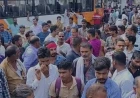
-The events that unfolded on the streets of Delhi on October 10th once again raised several uncomfortable questions for Indian democracy. The alleged repressive action against the struggling young men and women who raised their voices against the establishment—and the subsequent resistance that emerged—compel us to ask: why must the public be forced to take to the streets and risk confrontation just to have their voices heard in a democracy? Is the role of those in power to suppress questions or to answer them

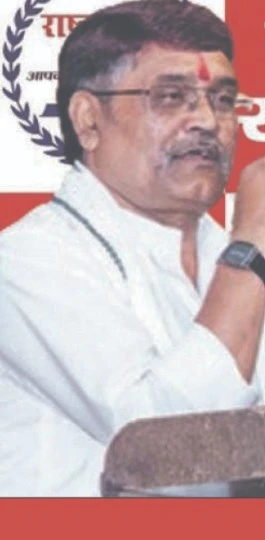
STATE REPRESSION, OPPOSITION SILENCE AND THE ROAR OF STRUGGLING YOUTH:DEVANAND SINGH
13-OCT-ENG 8


RAJIV NAYAN AGRAWAL
ARA-------------------------The events that unfolded on the streets of Delhi on October 10th once again raised several uncomfortable questions for Indian democracy. The alleged repressive action against the struggling young men and women who raised their voices against the establishment—and the subsequent resistance that emerged—compel us to ask: why must the public be forced to take to the streets and risk confrontation just to have their voices heard in a democracy? Is the role of those in power to suppress questions or to answer them?
In a democracy, dissent is not a crime; it is a constitutional right of citizens. When young people raise questions regarding their future, their rights, and the accountability of the system, the government ought to address those questions. Resorting to police force to stifle dissent is an affront not only to the protesters but to democratic values themselves. Governments are formed by a majority, but a majority mandate is not a license for authoritarianism. Power is not permanent, yet the impact of its decisions endures for generations.
Salute to the struggling youth who refused to bow to fear. It is essential to mention courageous voices like Neha Bora, for movements advance not merely through slogans, but through the resolve of individuals willing to take risks. History bears witness that change often begins with those whom the establishment initially dismisses as inconvenient, impractical, or rebellious. However, the true strength of any movement lies in its courage, coupled with democratic decorum, clear demands, and a peaceful struggle.
Yet, the questions are not directed solely at the ruling establishment; the opposition, too, is under scrutiny. What role should senior opposition leaders play when young people are waging a struggle on the streets? Is their responsibility limited to issuing statements, expressing support on social media, and marking their political presence by sharing images of the movement? Or should they step into the arena to ensure accountability and safeguard democratic rights? If the opposition limits itself merely to translating public outrage into political speeches, how can it earn the moral authority to become a viable alternative to the ruling power?
It is also worth considering why some leaders retreat when the time for struggle arrives, only to step forward to claim credit once the movement begins to yield results. If politics becomes merely a vehicle for securing office, prestige, and garlands, then claims of public service ring hollow. The participation of veteran leaders in the struggle serves as a reminder that the true value of leadership is defined not by position, but by the willingness to take risks and stand alongside the people.
However, it is inappropriate to compare every movement to Anna Hazare’s campaign or other historic struggles; each movement has its own unique circumstances, objectives, and limitations. Just as it is unfair to label a movement as someone’s proxy without sufficient evidence, it is equally hasty to declare a new struggle "epoch-changing" before it has withstood the test of time. Movements should be evaluated based on their objectives, methods, and outcomes, rather than merely by their slogans.
The most pressing question today is whether the ruling establishment will show the courage to listen to criticism and whether the opposition will fulfill its responsibilities toward citizens engaged in struggle. Has democracy been reduced merely to winning elections and forming governments, or is there still ample space for dissent, dialogue, and accountability?
The true test of democracy lies not in the might of power, but in the capacity for tolerance. A government that fears questions loses the public's trust, just as an opposition that fails to support the people's struggles loses its own credibility. The voices of the youth should be heard rather than suppressed, and their struggles should be met with serious consideration of the core issues involved, rather than being exploited as tools for political self-interest.
The questions raised in Delhi on October 10th are not limited to Delhi alone. They are linked to the democratic future of the entire nation. A salute to the sons and daughters who are waging this struggle, but the same question applies to both the ruling establishment and the opposition: when the public takes to the streets for their rights, do you stand with them, or do you hide behind your respective political conveniences?
This very question serves as a mirror to democracy, and it is in this mirror that both the ruling power and the opposition ought to examine their own reflections today.
What's Your Reaction?
 Like
0
Like
0
 Dislike
0
Dislike
0
 Love
0
Love
0
 Funny
0
Funny
0
 Wow
0
Wow
0
 Sad
0
Sad
0
 Angry
0
Angry
0





Comments (0)