
INVESTIGATIVE REPORT: Alleged Cash-for-Degree Network Raises Questions Over Unaccredited Honorary Doctorates
An alleged cash-for-degree network linked to Good Samaritan Theological Seminary has come under scrutiny for reportedly offering unaccredited honorary doctorate titles in exchange for payments disguised as donations. The institution is not listed as an accredited degree-awarding university by Nigeria's National Universities Commission (NUC), raising concerns over the legitimacy of the credentials and their claimed global affiliations.
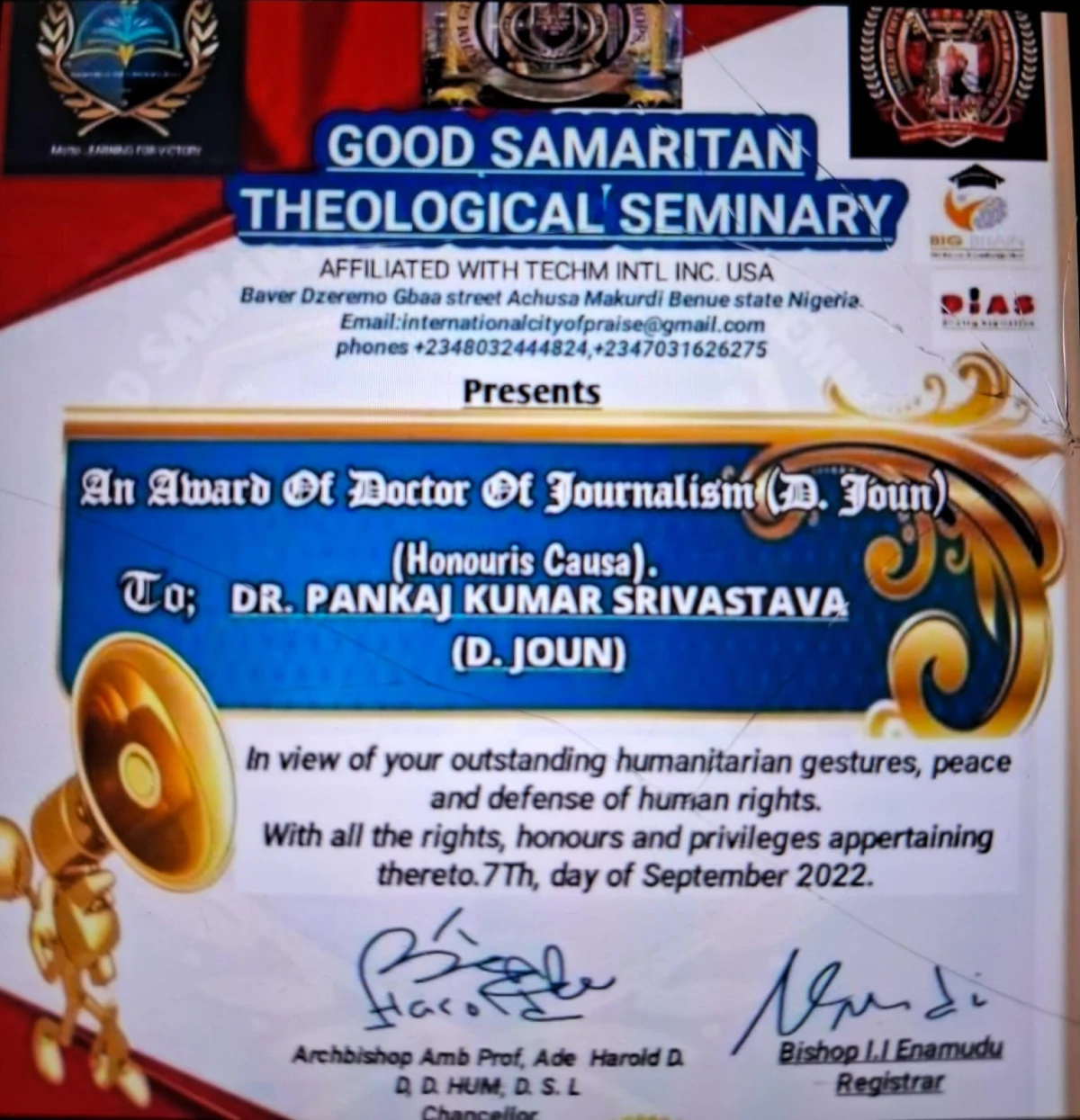
INVESTIGATIVE DESK — Questions have been raised regarding the honorary doctorate program offered by Good Samaritan Theological Seminary (also operating as Good Samaritan Global Peace Academy), based in Makurdi, Benue State, Nigeria. The organization has been the subject of allegations concerning the recognition and academic standing of its honorary awards.
According to documents reviewed and information provided to the Investigative Desk, honorary doctorate certificates have been offered to professionals and community leaders in connection with payments described as donations, ministry support, or administrative processing fees. The organization has not responded to requests for comment at the time of publication.


The Alleged "Pay-to-Play" Network
According to the information gathered, the operation allegedly relies on decentralized networks of representatives, intermediaries, and online outreach channels to identify prospective recipients interested in using the honorary title "Dr."
The reported methods include:
-
Target Identification: Prospective recipients are allegedly contacted through social media platforms, messaging applications, professional networking websites, email campaigns, and personal referrals.
-
Nomination Claims: Individuals are reportedly informed that they have been nominated or selected for humanitarian or leadership recognition based on their professional achievements, community service, or public contributions.
-
Credibility Building: Promotional materials reportedly include official-looking certificates, photographs of award ceremonies, testimonials, digital brochures, and references to overseas affiliations intended to demonstrate wider recognition.
-
Payment Requests: Recipients are reportedly asked to provide payments described as donations, ministry support, processing fees, trust contributions, or administrative charges before certificates are issued.
-
Communication Channels: Correspondence is reportedly conducted through Facebook, Instagram, WhatsApp, Telegram, X, LinkedIn, email, telephone calls, and other digital communication platforms.
-
Certificate Issuance: Following payment, recipients reportedly receive honorary doctorate certificates bearing decorative seals, administrative signatures, and ceremonial documentation.
-
Public Promotion: Award recipients are reportedly encouraged to publish photographs, videos, and announcements on social media, which may also be used in subsequent promotional campaigns.
-
Referral Practices: Some recipients are reportedly encouraged to recommend colleagues, professionals, or acquaintances for future honorary recognitions.
Financial Structure
Documents reviewed indicate that payments connected with honorary awards may be described as donations, ministry support, processing fees, or administrative charges rather than tuition or purchase payments. Available information suggests that payments are generally requested before certificates are issued and may be made through electronic transfers or designated organizational accounts. These observations do not, by themselves, establish wrongdoing.
Document Characteristics
Certificates reviewed by the Investigative Desk contain a number of ceremonial features commonly associated with honorary recognitions, including:
-
Decorative academic formatting.
-
Official-style seals and embossed emblems.
-
Multiple administrative signatures.
-
References to honorary status.
-
Claimed affiliations with organizations located in various countries.
The presence of these design elements does not, by itself, establish academic recognition or legal degree-awarding authority.
Claimed Global Affiliations
The certificates reportedly reference affiliations with organizations in various countries to suggest broader recognition and international credibility.
However, available verification indicates that such claimed affiliations do not, by themselves, establish recognized academic legitimacy. Educational recognition depends upon accreditation or legal authority to award degrees rather than corporate registration alone. Several referenced entities are alleged to operate as private corporate registry shells rather than accredited higher education institutions. Corporate registration alone does not confer academic accreditation or legal degree-awarding authority, and references to overseas organizations should not automatically be interpreted as evidence of recognized academic standing.
Recognition Status
According to publicly available information, the National Universities Commission (NUC) is the statutory body responsible for regulating and accrediting universities in Nigeria.
Publicly available records should be consulted to determine whether an institution is authorized to award academic degrees. Honorary doctorates differ from earned academic degrees and are generally ceremonial recognitions that do not represent completion of an accredited academic program. Recognition of honorary awards may vary depending on institutional policies and applicable law.
Legal Considerations
The legal treatment of honorary and unaccredited credentials varies between jurisdictions.
Possessing an honorary certificate is not necessarily unlawful. However, representing an honorary award as an earned academic qualification on employment applications, professional licences, government documents, or other official records may have legal or professional consequences where such representation is inaccurate or prohibited by applicable law.
Questions concerning the legality or recognition of specific credentials are ultimately determined by the relevant regulatory authorities and courts.
Guidance for Prospective Recipients
Individuals considering any honorary or academic credential are encouraged to:
-
Verify the institution's recognition with the appropriate higher education regulator.
-
Request documentation explaining the nature of the award.
-
Preserve correspondence, payment receipts, promotional materials, and certificates.
-
Independently verify any claimed affiliations or accreditation.
-
Seek advice from relevant regulatory authorities if uncertainty exists regarding recognition or legal status.
This report is based on the information, documents, and allegations currently available to the Investigative Desk, together with publicly accessible regulatory records. The findings presented are intended to inform the public and do not constitute a legal determination of wrongdoing. Any assessment of criminal, civil, or regulatory liability remains the responsibility of the competent investigative, judicial, and regulatory authorities. The organization or individuals named are entitled to respond to the matters raised, and any verified response should be considered alongside the information presented in this report.
What's Your Reaction?
 Like
0
Like
0
 Dislike
0
Dislike
0
 Love
0
Love
0
 Funny
0
Funny
0
 Wow
0
Wow
0
 Sad
0
Sad
0
 Angry
0
Angry
0
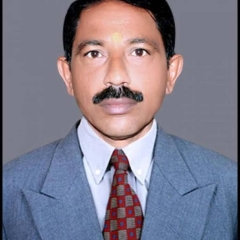
Founder, RNI News










Comments (0)