
BIHAR BANDH DRAWS STRONG RESPONSE IN BHOJPUR AS STUDENTS PROTEST OVER NEET PAPER LEAK
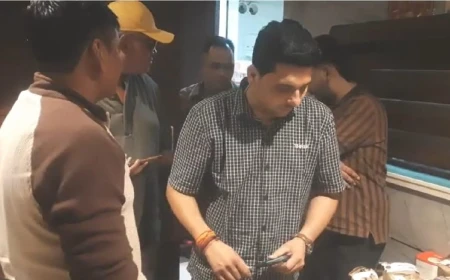
The Bihar Bandh called over the alleged NEET examination paper leak witnessed widespread participation across Bhojpur district on Friday, with student organisations, youth groups, and transport unions staging demonstrations in Ara and Bihiya. Protesters demanded a fair and transparent investigation into the alleged irregularities in the NEET examination and called for strict action against those found responsible. The bandh was organised in solidarity with the ongoing student protests at Jantar Mantar in New Delhi. Demonstrators asserted that the future of millions of students should not be jeopardised by alleged examination malpractices and demanded reforms to ensure transparency and accountability in the country's examination system.


BIHAR BANDH DRAWS STRONG RESPONSE IN BHOJPUR AS STUDENTS PROTEST OVER NEET PAPER LEAK
25-JULY-ENG 5


RAJIV NAYAN AGRAWAL
ARA--------------------------The Bihar Bandh called over the alleged NEET examination paper leak witnessed widespread participation across Bhojpur district on Friday, with student organisations, youth groups, and transport unions staging demonstrations in Ara and Bihiya. Protesters demanded a fair and transparent investigation into the alleged irregularities in the NEET examination and called for strict action against those found responsible. The bandh was organised in solidarity with the ongoing student protests at Jantar Mantar in New Delhi. Demonstrators asserted that the future of millions of students should not be jeopardised by alleged examination malpractices and demanded reforms to ensure transparency and accountability in the country's examination system.
The atmosphere across Bhojpur district reflected a deep sense of collective concern among the youth and the wider public regarding the integrity of national-level competitive examinations. In towns and smaller urban centres alike, the call for a bandh translated into visible mobilisation that brought together students who have spent years preparing for the National Eligibility cum Entrance Test, local youth organisations, and even sections of the transport sector whose daily livelihoods intersect with the movement of people and goods. The protests were framed not merely as a reaction to one examination cycle but as part of a larger demand for systemic safeguards that would protect the efforts of aspirants from any form of alleged malpractice.
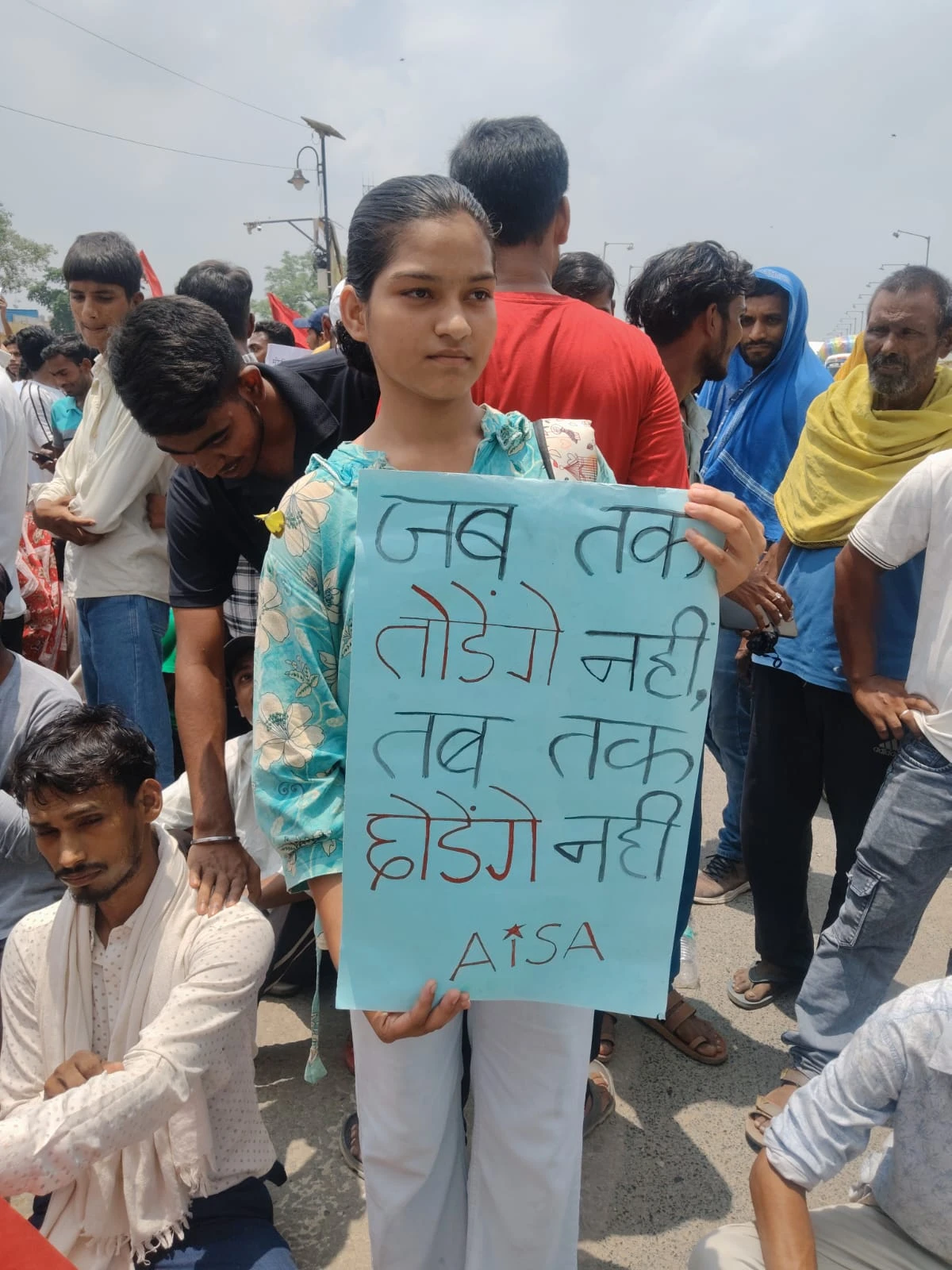
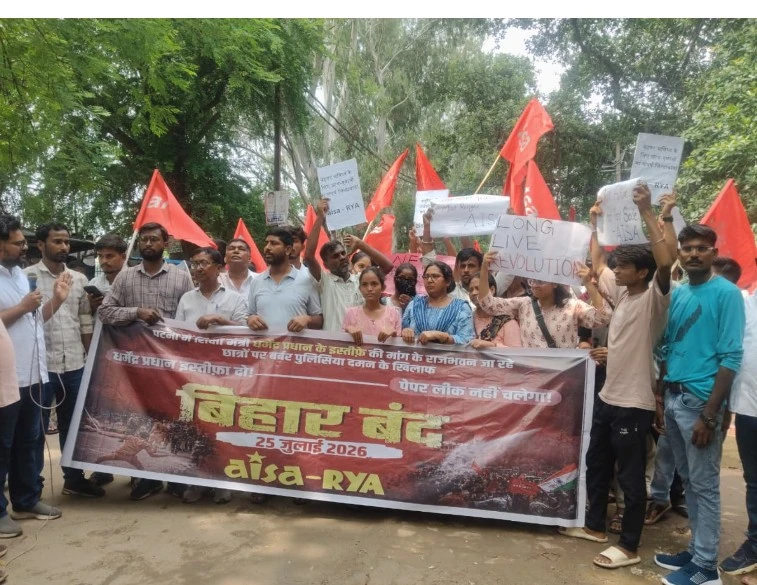
In Ara, the district headquarters, the streets became the stage for coordinated action by several organisations. Members of the All India Students' Association (AISA), the Revolutionary Youth Association (RYA), the Tempo Drivers' Union, and a number of other local groups participated in rallies and demonstrations that moved through major roads of the town. Protesters carried placards with clearly worded demands and raised slogans that expressed solidarity with NEET aspirants across the country. The marchers repeatedly emphasised that any cloud over the examination process undermines the principle of merit and places an unfair burden on families who invest substantial resources and emotional energy in supporting their children's educational ambitions.
The demonstrators specifically demanded a comprehensive and impartial investigation into the alleged paper leak. They urged the authorities to identify those responsible and to ensure that accountability is established through due process. Among the more pointed political demands was a call for the resignation of Union Education Minister Dharmendra Pradhan. Protesters argued that repeated controversies surrounding competitive examinations had eroded students' confidence in the education system and that a change in leadership was necessary to restore public trust. This demand was articulated not as a partisan attack but as a reflection of the accumulated frustration felt by many young people who view national examinations as critical gateways to professional careers in medicine and related fields.
In the days leading up to the Bihar Bandh, AISA and RYA had organised torchlight processions in different parts of Bhojpur district as a means of mobilising public support and building momentum. In Ara, hundreds of students took part in a torch march that began at 5 p.m. from the Veer Kunwar Singh Stadium Gate at Ramna Maidan. The procession moved through various parts of the city, illuminating streets that are usually quieter in the evening hours, before concluding at the railway station premises. Participants raised slogans supporting the bandh and calling for meaningful reforms in the examination system. The torch march served both as a symbolic expression of resolve and as a practical method of reaching out to residents who might otherwise remain unaware of the scale of student concern.
The organisations appealed to students and young people to assemble at Veer Kunwar Singh Stadium on the morning of July 25 and to ensure that the bandh remained peaceful and democratic. This emphasis on non-violent and orderly expression was repeated throughout the day's events. Organisers stressed that the strength of the movement lay in its ability to present legitimate grievances without descending into disruption that would alienate the broader public. The call for peaceful assembly was accompanied by practical coordination among different groups so that routes, timings, and points of concentration could be managed in a manner that minimised inconvenience while maximising visibility.
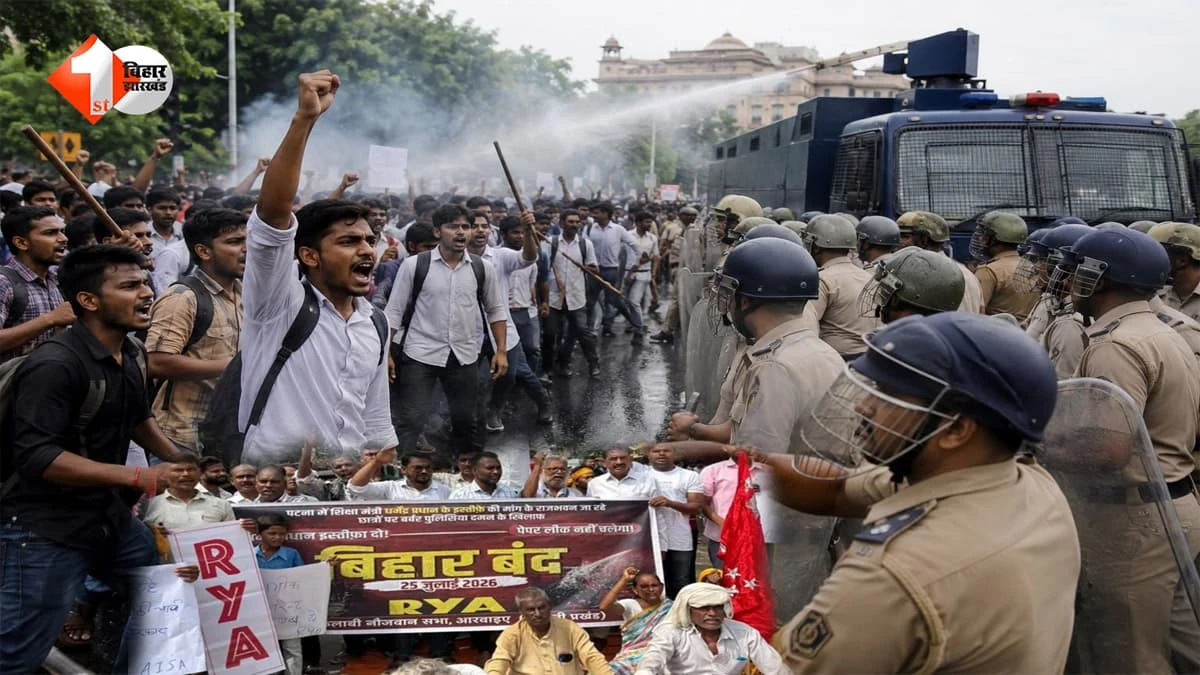
The Bhojpur district administration remained on high alert throughout the bandh. Heavy police deployment was made at important intersections, the railway station, the offices of the District Magistrate and Superintendent of Police, and other sensitive locations across Ara. As a precautionary measure, police personnel were instructed to remain on alert, and leave for district police staff was reportedly cancelled to ensure adequate security. Officials continuously monitored the situation to maintain law and order and to minimise inconvenience to the public. The visible presence of security forces was intended both to deter any potential for disorder and to reassure ordinary citizens that their daily movements would be protected even as large numbers of protesters exercised their right to demonstrate.
Despite the heightened security arrangements, the protests proceeded with a degree of discipline that reflected the organisers' stated commitment to democratic methods. Traffic was regulated at key points, and police personnel worked to keep pathways open where possible. The administration's approach appeared calibrated to allow the expression of dissent while preventing any escalation that could lead to damage or injury. Officials continued to review the situation during the day and appealed to protesters to maintain peace and to follow established channels for the articulation of demands.
Bihiya, another significant centre in the district, also witnessed a large demonstration. Hundreds of students and youth participated in a protest march against the alleged NEET paper leak. The procession began from the Maa Mahathin Temple premises and moved through the town with participants carrying the national flag, portraits of eminent personalities, and placards highlighting their demands. The inclusion of the national flag and images of respected figures underscored the protesters' claim that their movement was rooted in a sense of national interest and constitutional values rather than narrow sectional agendas.
Throughout the march in Bihiya, protesters raised slogans demanding justice for NEET aspirants and calling for greater transparency in the conduct of competitive examinations. They maintained that students who dedicate years of hard work to preparing for such examinations should not suffer because of alleged irregularities. Many of the participants spoke of the long hours of study, the financial pressures on middle-class and lower-middle-class families, and the psychological strain that accompanies high-stakes testing. For these young people, the alleged paper leak was not an abstract administrative failure but a direct threat to the fairness of a process on which their future livelihoods depend.
The demonstration intensified after participants reached Raja Bazaar Chowk. There, protesters burned an effigy of Union Education Minister Dharmendra Pradhan as a symbolic expression of their dissatisfaction. According to the organisers, tyres were also set on fire during the protest, temporarily disrupting traffic in the area. The act of effigy burning, while dramatic, was presented by student leaders as a traditional form of political expression rather than an invitation to violence. Student leaders alleged that repeated controversies involving competitive examinations had adversely affected the morale of students and called upon the government to restore public confidence by ensuring transparency and accountability.
Several students addressed the gathering during the protest, giving voice to the personal and collective anxieties that had brought them onto the streets. Student participant Saurabh Kumar stated that students spend years preparing for competitive examinations while many families make significant financial sacrifices to support their education. He said that any alleged malpractice in the examination process undermines the efforts of deserving candidates and called for accountability. His remarks resonated with the crowd, many of whom nodded in agreement or raised their placards higher in affirmation.
Women students also participated actively in the demonstration. They said they had been compelled to join the protests because they believed their future and the credibility of the education system were at stake. They demanded that those responsible for any irregularities be brought to justice and that meaningful reforms be introduced to prevent similar incidents in the future. The visible presence of young women among the protesters highlighted the broad base of concern that cuts across gender lines within the student community. For many of these participants, the struggle was not only about one examination but about the larger promise of equal opportunity in higher education and professional life.
Addressing the gathering, student leader Ritik Roshan Singh criticised the prevailing examination system and reiterated the demand for the resignation of the Union Education Minister. He stated that democratic protests should be respected and that students would continue to raise their concerns through peaceful means until their demands were addressed. His speech framed the movement as a defence of democratic rights as much as a campaign for examination integrity. By insisting on the legitimacy of peaceful protest, he sought to place the students' actions within the broader tradition of constitutional dissent in India.
AISA and RYA also presented a charter of demands during the demonstrations. These included the resignation of Union Education Minister Dharmendra Pradhan; the abolition of the National Testing Agency (NTA); the withdrawal of the National Education Policy (NEP) 2020; the immediate release of arrested students and an end to alleged police action against protesters; the removal of the 7.5 CGPA requirement and equal degree recognition for all students; the protection of university autonomy and opposition to proposals affecting higher education governance; the withdrawal of the proposal to repeal the Bihar Universities Act, 1976; the rollback of fee increases in educational institutions; and clarification regarding the approval of private universities. The charter reflected a comprehensive critique that linked the immediate issue of the alleged NEET paper leak to wider questions of educational policy, institutional autonomy, and the financial accessibility of higher education.
The inclusion of demands related to the NEP 2020, university autonomy, and fee structures indicated that the organisations viewed the examination controversy as symptomatic of deeper structural problems. By placing these issues on the agenda, the protesters sought to broaden the conversation beyond a single alleged leak and to press for reforms that would address the root causes of student insecurity. The demand for the abolition of the NTA, in particular, signalled a loss of confidence in the existing institutional arrangements for conducting national examinations and a desire for alternative mechanisms that would command greater public trust.
Despite the large turnout, police maintained a strong presence throughout the demonstrations to ensure public safety. Security personnel monitored rallies and regulated traffic where necessary to prevent any untoward incident. Officials continued to review the situation during the bandh while appealing to protesters to maintain peace and follow democratic methods of expression. The administration's measured response helped ensure that the day's events remained within the bounds of peaceful assembly even as the intensity of slogans and the burning of an effigy created moments of heightened emotion.
The demonstrations in Bhojpur formed part of a broader movement by student organisations seeking greater transparency in the conduct of competitive examinations. Protesters maintained that allegations relating to the NEET examination should be investigated impartially and that accountability should be ensured through due legal process. Student organisations indicated that they would continue their campaign through peaceful and democratic means until their concerns regarding examination integrity and educational reforms were addressed. This commitment to sustained, non-violent action suggested that the Bihar Bandh was not an isolated event but one episode in an ongoing effort to press for systemic change.
The Bihar Bandh in Ara and Bihiya concluded under close administrative supervision, with extensive security arrangements helping maintain law and order while allowing demonstrators to present their demands. As the crowds gradually dispersed and traffic began to resume its normal patterns, the questions raised by the protesters remained unresolved. The demand for a fair and transparent investigation into the alleged paper leak, the call for accountability, and the wider agenda of educational reform continued to hang in the air as unfinished business. For the students who had taken to the streets, the day's events represented both an expression of immediate grievance and a declaration of long-term resolve.
In the weeks and months ahead, the ability of the authorities to respond to these concerns with credible action will likely determine whether the sense of injustice that fuelled the bandh can be allayed or whether further mobilisation will follow. The students of Bhojpur, like their counterparts at Jantar Mantar and elsewhere, have made it clear that they regard the integrity of national examinations as a non-negotiable foundation of educational justice. Their participation in the Bihar Bandh stands as a reminder that the credibility of the examination system is inseparable from the trust that millions of young people place in the promise of fair competition and equal opportunity.
What's Your Reaction?
 Like
0
Like
0
 Dislike
0
Dislike
0
 Love
0
Love
0
 Funny
0
Funny
0
 Wow
0
Wow
0
 Sad
0
Sad
0
 Angry
0
Angry
0





Comments (0)