
PANDIT NEHRU HAD TO COME BHABHUA TO SAVE JAGJIVAN RAM’S REPUTATION
The year 1962 is etched in golden letters in the annals of history, for it was the year when the political standing of Congress candidate Jagjivan Ram teetered on the brink of collapse—until Pandit Jawaharlal Nehru arrived in Bhabhua and secured a victory for him.

PANDIT NEHRU HAD TO COME BHABHUA TO SAVE JAGJIVAN RAM’S REPUTATION
6-APRIL-ENG 10


RAJIV NAYAN AGRAWAL
ARA-----------------------------The year 1962 is etched in golden letters in the annals of history, for it was the year when the political standing of Congress candidate Jagjivan Ram teetered on the brink of collapse—until Pandit Jawaharlal Nehru arrived in Bhabhua and secured a victory for him.
The grandest festival of democracy—the Lok Sabha elections—has officially commenced. In this context, we recount today the story of the Sasaram parliamentary constituency from the year 1962. The Sasaram Lok Sabha seat has held a historic significance in the history of Indian democracy ever since independence; it was by winning from this very constituency that Babu Jagjivan Ram earned the distinct honor of becoming the country's Deputy Prime Minister for the first time. On the other hand, his daughter, Meira Kumar, created history by becoming the first female Speaker of the Lok Sabha.
The year 1962 is etched in golden letters in the annals of history, for it was the year when the political standing of Congress candidate Jagjivan Ram teetered on the brink of collapse—until Pandit Jawaharlal Nehru arrived in Bhabhua and salvaged Jagjivan Ram's reputation.
That very year, people from far-flung areas flocked to Bhabhua just to catch a glimpse of Pandit Jawaharlal Nehru and to hear him speak. However, the crowd gathered in far greater numbers near the helipad than at the actual venue of the public meeting. Although the distance between the meeting venue and the helipad was approximately two kilometers, a massive sea of humanity nevertheless surged toward the helipad. The crowd first watched Nehru disembark from his helicopter, and only then did they proceed to the meeting venue to listen to his address.
In 1962, Jagjivan Ram faced a formidable challenge in the Sasaram parliamentary constituency from Rameshwar Agnibhoj, the Swatantra Party candidate hailing from Madhya Pradesh. While, on one side, the Maharaja of Ramgarh—Kamakhya Narain Singh—toured village after village in his aircraft to campaign for the Swatantra Party candidate, holding rallies and wooing the electorate to his side, the anxieties of the Congress candidate, Jagjivan Ram, continued to mount. Vinay Pathak (76), a resident of Simbhi village under the jurisdiction of Belav police station, witnessed the entire spectacle with his own eyes. He recounts that, at the time, Jagjivan Ram was the Congress party's candidate. Furthermore, during the final week of campaigning, he was facing stiff competition from Rameshwara Agnibhoj of the opposition's Swatantra Party. However, fearing that this crucial seat might slip away, India's first Prime Minister, Pandit Jawaharlal Nehru, felt compelled to visit Bhabhua—marking his first-ever visit to the Sasaram parliamentary constituency—in 1962.
What is currently known as Belav Mor in Bhabhua was referred to as 'Terhwa Mor' back then; it was at this very spot that Nehru held his public rally. Ultimately, Pandit Nehru's emergency visit proved successful, and Jagjivan Ram secured a victory by a margin of approximately 54,000 votes. According to eyewitnesses, had Nehru not intervened, the outcome of the election would likely have been entirely different.
In 1962, the people of the Sasaram parliamentary constituency had, for the most part, only heard the *name* of a helicopter. During that election campaign, the opposition candidate, Rameshwara Agnibhoj, utilized a helicopter to conduct his canvassing across more than a dozen villages within the constituency. He would travel by helicopter to address his public rallies. Consequently, massive crowds would gather at the opposition's meetings—often simply to catch a glimpse of the helicopter.
Given the sheer size of the crowds attending the opposition's rallies, Babu Jagjivan Ram grew increasingly anxious about his ability to retain his seat. His difficulties were significantly compounded by the "high-tech" public rallies organized by the Maharaja of Ramgarh. It was against this backdrop that, just three days prior to the polling, Nehru held a public rally in Bhabhua and successfully rallied support to ensure the victory of his party's candidate, Jagjivan Ram.
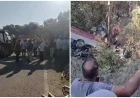
Following 1971, the Congress party failed to secure a victory in the Sasaram parliamentary constituency for 33 consecutive years. In the 1977 Lok Sabha elections, the Congress party suffered a defeat. Jagjivan Ram had left the Congress to contest the election on a ticket from the Bharatiya Lok Dal—a move that culminated in his victory. While Jagjivan Ram had won the 1971 election on a Congress ticket, the party's official candidate in 1977 was Mungerilal. For Jagjivan Ram, this particular seat held immense significance. It is worth noting that in 1962, a vehicle carrying officials traveling from Adhaura to Bhabhua for a public rally by Nehru overturned in the Adhaura valley. This accident claimed the lives of approximately ten employees of the Adhaura office, including the Block Development Officer (BDO).
The Sasaram Lok Sabha seat holds a historically significant place in the annals of Indian democracy since the dawn of independence. This is because, on one hand, winning from this parliamentary constituency brought Jagjivan Ram the distinction of becoming the country's first Deputy Prime Minister; on the other, his daughter, Meira Kumar, created history by becoming the first woman Speaker of the Lok Sabha. The bell has now rung for the upcoming Lok Sabha elections—often hailed as the greatest festival of democracy. Against this backdrop, we present to you today a tale from the Sasaram parliamentary constituency in 1962—a time when the electoral fortunes of Congress candidate Jagjivan Ram teetered on the brink of collapse, compelling none other than Pandit Jawaharlal Nehru himself to travel to Bhabhua to rescue his campaign.
In 1962, people flocked to Bhabhua from far and wide to catch a glimpse of Pandit Jawaharlal Nehru and to attend his public rally. However, the massive crowd gathered near the helipad far outnumbered those at the actual rally venue. Despite the rally venue and the helipad being separated by a distance of approximately two kilometers, a veritable sea of humanity surged toward the helipad. The people first watched Nehru disembark from his helicopter, and only thereafter did they proceed to the rally venue to listen to his address.
The year 1962 witnessed a severe challenge to the electoral standing of Jagjivan Ram—one of the nation's most illustrious leaders—in the Sasaram parliamentary constituency. Jagjivan Ram faced a formidable opponent in Rameshwar Agnibhoj, the Swatantra Party candidate hailing from Madhya Pradesh. While, on one side, the Maharaja of Ramgarh—Kamakhya Narain Singh—was crisscrossing the villages in his aircraft to hold rallies and mobilize the populace to vote in favor of the Swatantra Party candidate, the anxieties of the Congress candidate, Jagjivan Ram, continued to mount was intensifying.
According to Vinay Pathak—an eyewitness from Simbhi village, located within the jurisdiction of the Belav police station—Jagjivan Ram was the Congress candidate at the time. During the final week of voting, his opponent from the opposition Swatantra Party, Rameshwar Agnibhoj, was giving him a fierce fight. India's first Prime Minister, Pandit Jawaharlal Nehru, began to fear that the seat might slip out of their grasp. Consequently, in 1962, for the very first time, Nehru had to visit Bhabhua within the Sasaram parliamentary constituency. It was on this occasion that the local people saw Nehru in their midst—in person—for the first time in their lives. The location currently known as 'Belav Mor' in Bhabhua was, at that time, famous as 'Tedhwa Mor'; this is where Nehru's public meeting was held. Pandit Nehru's visit proved successful, and Jagjivan Ram secured a victory by a margin of approximately 54,000 votes. According to eyewitnesses, had Nehru not visited, the outcome would have been entirely different.
In 1962, the people of the Sasaram parliamentary constituency had, for the most part, only heard the word "helicopter" or perhaps glimpsed one flying across the sky. During that election campaign, Rameshwar Agnibhoj utilized a helicopter to campaign in over a dozen villages across the constituency, flying in to address his public meetings. As a result, massive crowds would gather at the opposition's rallies—drawn primarily by the novelty of seeing a helicopter. People would travel from far and wide solely to catch a glimpse of the aircraft, leading to exceptionally large turnouts at the Swatantra Party's meetings. Given the sheer size of the crowds at the opposition's rallies, Jagjivan Ram grew increasingly anxious about his ability to retain his seat. The "high-tech" public campaign conducted by the Maharaja of Ramgarh had significantly compounded Jagjivan Ram's difficulties. It was against this backdrop that, just three days before the voting took place, Nehru held his first-ever public rally in Bhabhua, thereby ensuring the victory of his candidate, Jagjivan Ram.
Following 1971, the Congress party failed to secure a victory in the Sasaram parliamentary constituency for 33 consecutive years. In the 1977 Lok Sabha elections, the Congress party suffered a defeat. Jagjivan Ram had left the Congress party to contest the election on a Bharatiya Lok Dal ticket, and he subsequently emerged victorious. In 1971, Jagjivan Ram won the election on a Congress ticket; however, in 1977, the Congress candidate was Mungerilal. This seat held significant importance for Jagjivan Ram.
In 1962, a vehicle carrying officials traveling from Adhaura to Bhabhua for a public rally by Nehru overturned in the Adhaura valley. This accident claimed the lives of approximately ten employees working at the Adhaura office, including the Block Development Officer (BDO).
What's Your Reaction?
 Like
0
 Dislike
0
 Love
0
 Funny
0
 Wow
0
 Sad
0
 Angry
0





Comments (0)