
GAU SEVA HI RASHTRA SEVA HAI: THE CALL FOR COW RESPECT AND NATIONAL AWAKENING
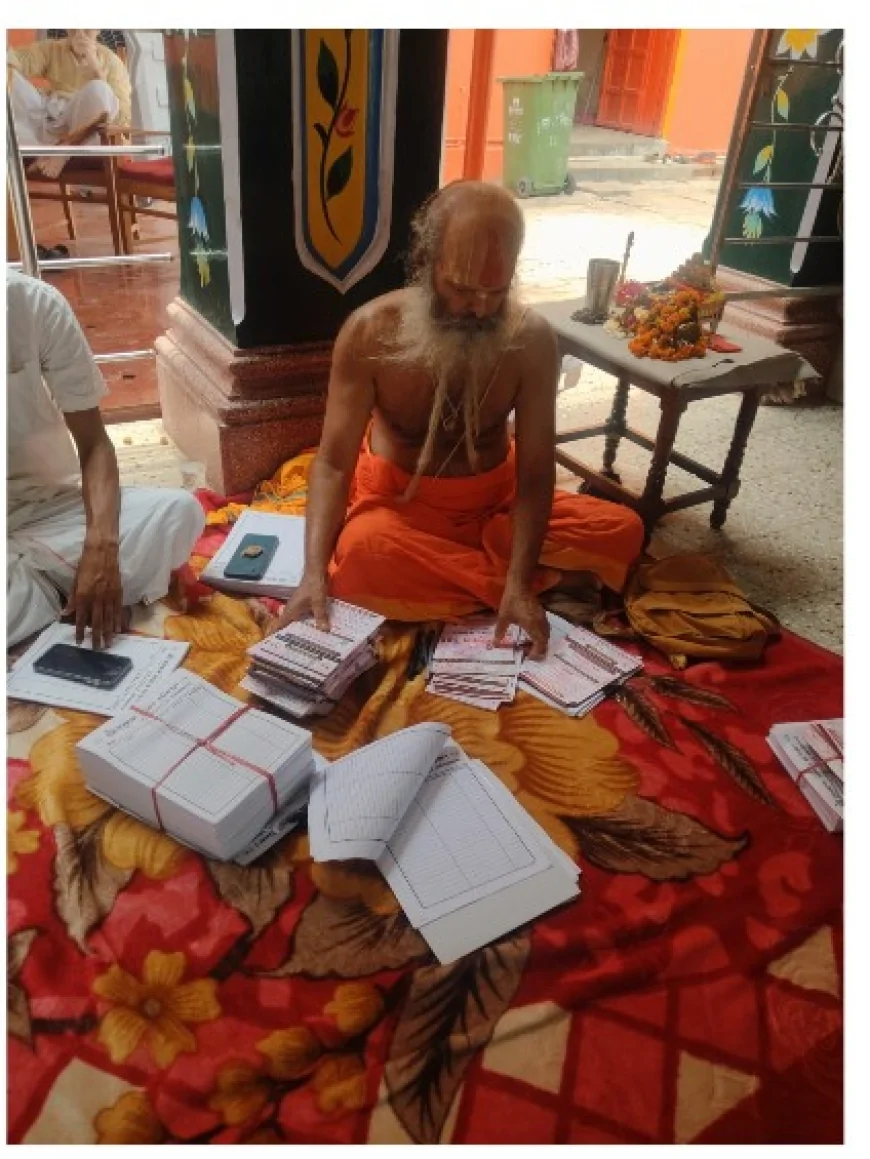
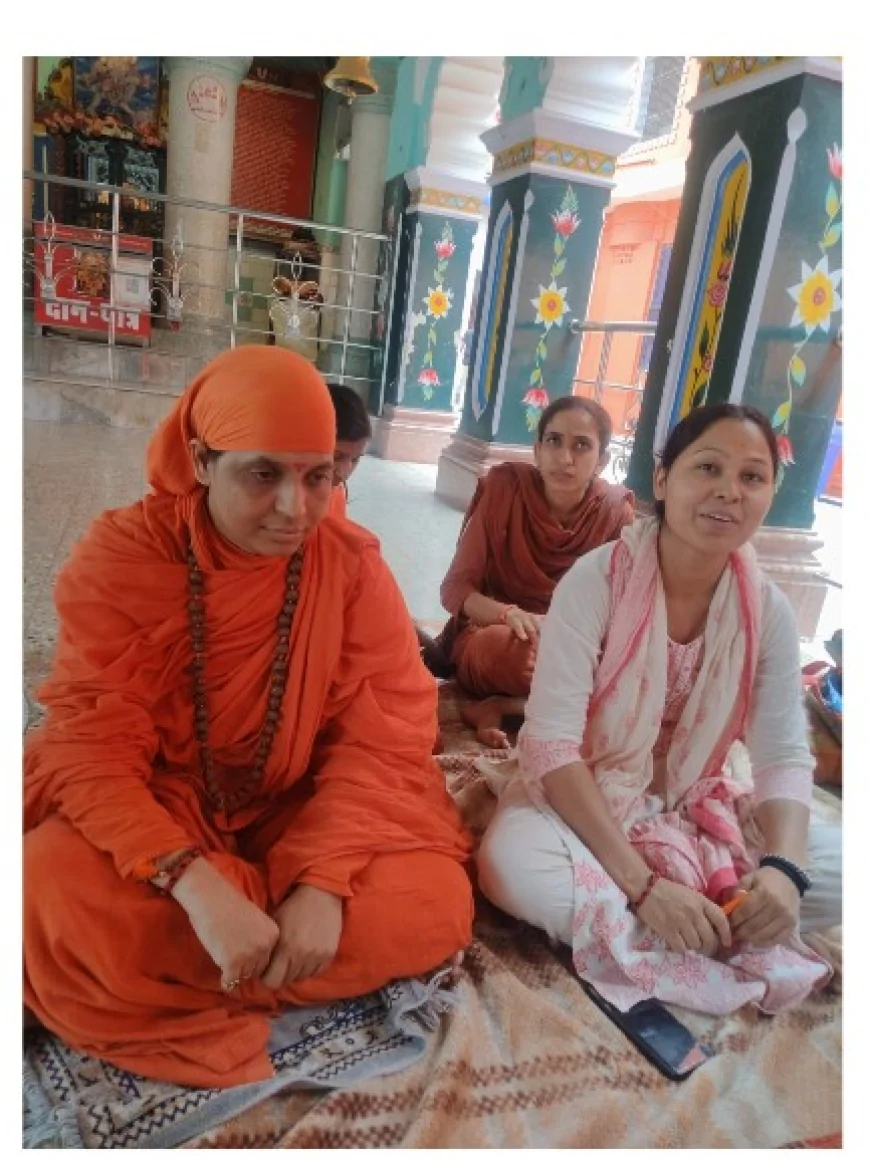
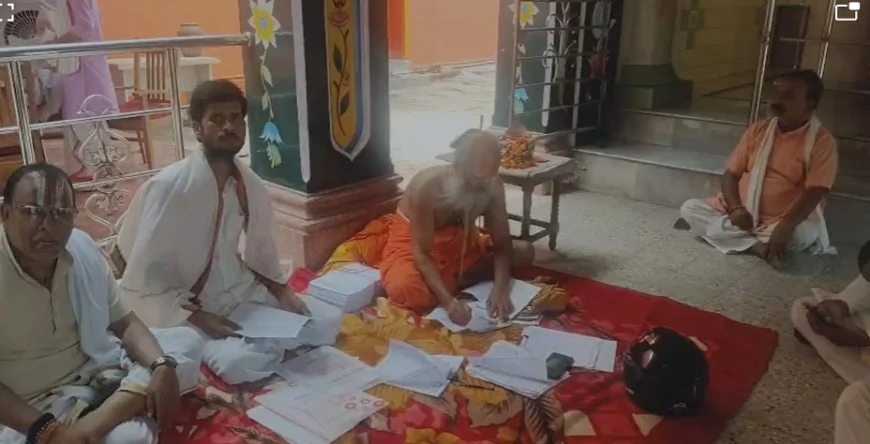
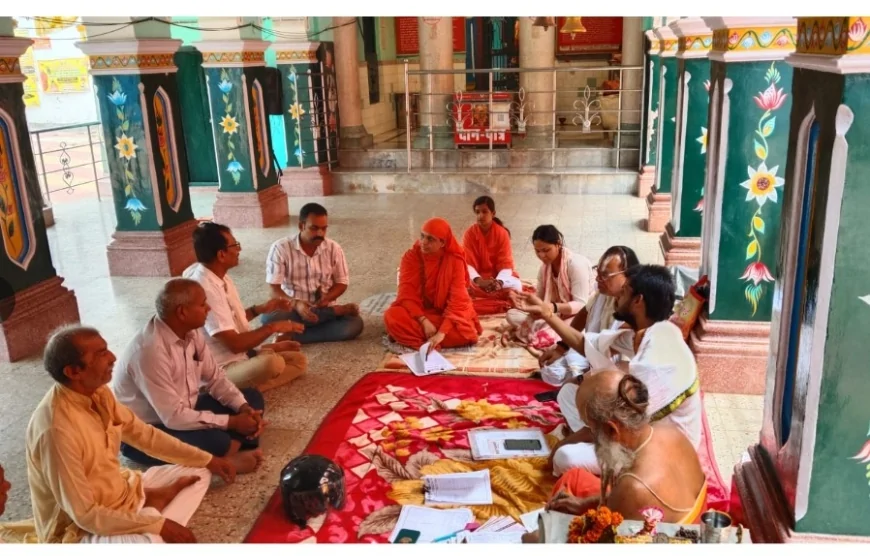
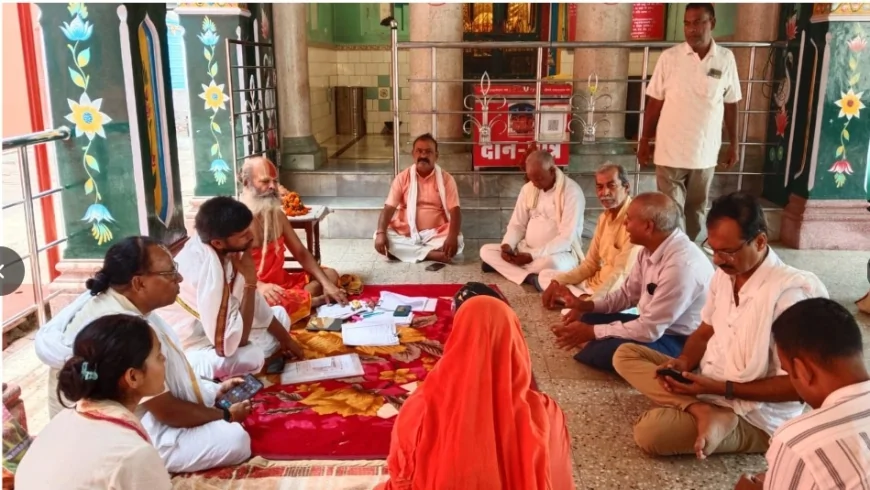
-In the heart of Bihar's Arrah district, a gathering at Badi Mathiya recently underscored a timeless Indian ethos: Gau Seva Hi Rashtra Seva Hai – Cow service is national service. Gau Samman Hi Hamara Abhiyan Hai – Cow respect is our campaign. This meeting was not merely a local event but a strategic preparation for the second phase of the Gau Samman Aahvahan Abhiyan (Cow Respect Call Campaign), scheduled for July 27. Organizers emphasized mobilizing the Sanatan Hindu community to collect and submit five lakh signatures in support of cow protection. Participants are urged to visit Badi Mathiya and the Zero Mile Tridandi Swami Ashram to affix their signatures, symbolizing a united front against the persistent threat of cow slaughter.

GAU SEVA HI RASHTRA SEVA HAI: THE CALL FOR COW RESPECT AND NATIONAL AWAKENING
26-JUNE-ENG 40


RAJIV NAYAN AGRAWAL
ARA--------------------------In the heart of Bihar's Arrah district, a gathering at Badi Mathiya recently underscored a timeless Indian ethos: Gau Seva Hi Rashtra Seva Hai – Cow service is national service. Gau Samman Hi Hamara Abhiyan Hai – Cow respect is our campaign. This meeting was not merely a local event but a strategic preparation for the second phase of the Gau Samman Aahvahan Abhiyan (Cow Respect Call Campaign), scheduled for July 27. Organizers emphasized mobilizing the Sanatan Hindu community to collect and submit five lakh signatures in support of cow protection. Participants are urged to visit Badi Mathiya and the Zero Mile Tridandi Swami Ashram to affix their signatures, symbolizing a united front against the persistent threat of cow slaughter.
This campaign taps into deep cultural, religious, and economic undercurrents in India. For millions of Hindus, the cow is not just an animal but Gau Mata – the mother cow – embodying sustenance, fertility, and non-violence (ahimsa). Ancient texts revere her; modern India grapples with her protection amid political promises, economic realities, and societal divisions.
The Cultural and Spiritual Foundation of Gau Raksha
The reverence for cows traces back to Vedic times. In Hindu tradition, the cow provides milk, dung for fuel and fertilizer, urine for traditional medicine, and labor for agriculture. She is a symbol of selfless giving. Killing such a being is seen as go-hatya, a grave sin. This belief unites diverse Sanatan traditions across regions.
The Gau Samman Aahvahan Abhiyan builds on this foundation. Its first phase saw widespread mobilization, with events on April 27 drawing thousands. The second phase on July 27 aims to amplify this through mass signatures, public awareness, and grassroots unity. In Arrah, the call is clear: all Sanatan Hindu brothers and sisters must converge at designated centers to sign petitions demanding stronger protections. Organizers frame this as a resolve for positive societal change – uniting for Gau Samman to foster harmony, ecological balance, and cultural revival.
Beyond symbolism, the campaign highlights practical issues: stray cattle, declining indigenous breeds, and the human cost of illegal slaughter networks.
The Stark Reality of Cow Slaughter and Beef Exports
Despite constitutional directives and state laws, cow slaughter remains a pressing concern. Article 48 of the Indian Constitution directs the state to organize agriculture and animal husbandry on modern lines while prohibiting the slaughter of cows, calves, and other milch and draught cattle. Yet enforcement varies wildly.
India has emerged as a major player in global beef exports, primarily through buffalo meat (carabeef), but critics argue the distinction blurs in practice, with illegal cow slaughter feeding underground channels. Uttar Pradesh, in particular, stands out. Reports indicate it accounts for a significant share – around 30-45% in some estimates – of India's bovine meat exports. UP leads in milk production but also features prominently in meat processing and leather industries.
According to trade data, India exported over a million tonnes of frozen boneless bovine meat in recent years, valued at billions of dollars. Top destinations include countries in the Middle East, Southeast Asia, and Africa. While official figures emphasize buffalo, animal rights activists and campaigners point to rampant smuggling, false certifications, and weak enforcement allowing cows to enter slaughter pipelines. Stray and unproductive cattle are often funneled across state borders where laws are laxer.
This export boom raises uncomfortable questions. India, home to the world's largest cattle population, faces a paradox: veneration alongside commodification. Farmers burdened by unproductive animals sometimes sell them, feeding a cycle that campaigners decry as antithetical to dharma. The Gau Samman Abhiyan demands not just bans but comprehensive support – shelters (gaushalas), subsidies for maintenance, breed improvement, and utilization of cow products in organic farming and Ayurveda.
Political Promises vs. Ground Realities
A recurring theme in the Arrah meeting and broader campaign discourse is the gap between electoral promises and governance outcomes. The Bharatiya Janata Party (BJP) and allied groups rose to prominence partly on the plank of cow protection. Slogans like stopping the "pink revolution" (beef export push) resonated in 2014. States under BJP influence strengthened anti-slaughter laws, with stricter penalties and vigilante actions sometimes filling enforcement gaps.
Yet, critics within the movement argue that after years in power at the center and in key states, a comprehensive nationwide ban on cow slaughter remains elusive. Beef exports continue, albeit framed as buffalo meat. In states like Uttar Pradesh, despite stringent laws on paper, volumes remain high. Recent reports highlight ongoing challenges, with Supreme Court interventions sometimes moderating blanket restrictions due to economic and livelihood concerns.
The campaign posits that governments have prioritized export revenues and political balancing over cultural imperatives. In Bihar and elsewhere, illegal slaughterhouses and transport rackets persist. The Arrah meeting explicitly noted that the government, which ascended on the promise of curbing cow slaughter, appears complicit or ineffective in halting it. This disillusionment fuels grassroots efforts like the signature drive, bypassing formal politics to build public pressure.
Such critiques are not without counterpoints. Proponents of the industry cite employment for millions in meat processing, leather, and allied sectors, plus foreign exchange earnings. They distinguish between cow and buffalo, arguing bans on the former are largely in place. However, for Gau Bhakts, any bovine slaughter undermines the sanctity of Gau Mata, and lax implementation erodes trust.
The Broader Implications: Ecology, Economy, and Society
Cow protection extends beyond religion. Indigenous breeds like Gir, Sahiwal, and Red Sindhi are climate-resilient and superior in milk quality and disease resistance compared to exotic crosses. Promoting desi cows supports sustainable agriculture: cow dung enriches soil, reduces chemical fertilizer dependency, and aids carbon sequestration. Gaushalas can become hubs for rural entrepreneurship – producing panchagavya (five cow products) medicines, bio-pesticides, and organic manure.
Economically, the campaign envisions shifting from slaughter to service. Instead of exporting meat, invest in dairy value chains, gobar gas plants, and wellness tourism around cow care. This aligns with Atmanirbhar Bharat and ecological goals.
Socially, the Abhiyan calls for Hindu unity transcending caste. In Arrah, the appeal to "all Sanatan Hindu brothers and sisters" seeks to bridge divides. It also promotes ahimsa as a national value, potentially reducing communal tensions if implemented sensitively. However, cow vigilantism has historically led to violence, underscoring the need for legal, non-violent enforcement.
Challenges abound: stray cattle management, farmer economics, and federalism (states control slaughter laws). A nationwide uniform law, as demanded by the campaign, faces legal and political hurdles. The Supreme Court has upheld state bans but hesitated on total central mandates.
The Road Ahead: From Signatures to Systemic Change
The July 27 phase of Gau Samman Aahvahan Abhiyan marks a pivotal moment. Collecting five lakh signatures in Arrah alone signals momentum; nationwide, it could reach millions. Petitions will likely urge:
- A central cow protection law with strict enforcement.
- Ban on all cow and progeny slaughter.
- Subsidies and incentives for gaushalas and farmers.
- Promotion of indigenous breeds.
- Curbs on illegal export routes.
- Integration of cow-based economy into national policy.
Success depends on sustained mobilization – awareness drives, youth involvement, collaboration with saints and organizations, and dialogue with policymakers. Media amplification and social media can spread the message: Gau Samman as a vehicle for Rashtra Nirman.
In an era of rapid modernization, this campaign reaffirms India's civilizational roots. Protecting the cow is protecting the environment, rural livelihoods, and cultural identity. As participants gather at Badi Mathiya and Zero Mile Ashram, they embody a simple yet profound truth: a nation that honors its mothers – biological, national, and bovine – builds a stronger future.
The Arrah meeting is a microcosm of a larger awakening. Whether it translates into policy shifts remains to be seen, but the resolve is unmistakable. Hindus are called to unite, sign, and act – for the cow, for the nation.
What's Your Reaction?
 Like
0
 Dislike
0
 Love
0
 Funny
0
 Wow
0
 Sad
0
 Angry
0












Comments (0)